Friday, 24 February 2017

Indian engineer killed, another injured in U.S. hate crime


''Get out of my country,” the shooter allegedly shouted before opening fire, killing Srinivas Kuchibhotla.

An apparent act of racial hatred left an Indian engineer dead and another injured in Olathe city in Kansas in mid-western United States on Wednesday night.
Srinivas Kuchibhotla (32) had gone to a bar with his friend Alok Madasani after the day’s work, where he was shot, allegedly by a 51-year-old Navy veteran who shouted, “get out of my country,” before the act.
Kuchibhotla died later, while Mr. Madasani who was also hit, has recovered and has been discharged from the hospital.


Thursday, 19 January 2017

ஏறு தழுவுதல் (ஜல்லிக்கட்டு) வரலாறு

ஏறு தழுவுதல் (ஜல்லிக்கட்டு)

-முனைவர் மு.இளங்கோவன்  

ஏறுதழுவுதல், ஏறுகோள், மாடுபிடித்தல், ஜல்லிக்கட்டு, மஞ்சுவிரட்டு, பொல்லெருது பிடித்தல் என்று தமிழகத்தின் பல பகுதிகளில் பல பெயர்களில் தமிழர்களின் வீர விளையாட்டாம் ஏறுதழுவுதல் அழைக்கப்பெறுகிறது.

இவ்விளையாட்டு,முல்லை நில (ஆயர்கள்) மக்களின் திருமணத்துடன் தொடர்புடையதாகப் பண்டைக்காலத்தில் இருந்தது. முல்லைநில மக்களின் வீரவிளையாட்டாக இருந்தாலும் தென் தமிழகத்தின் மதுரை மாவட்டம் சார்ந்த பகுதிகளில் இவ்விளையாட்டு இன்றும் ஆர்வமாக நிகழ்த்தப்படுகிறது.
பண்பாட்டுத் திருவிழாவாகவும், மக்களின் சமயம் சார்ந்த திருவிழாவாகவும், இளைஞர்களின் வீர உணர்வை நினைவுகூரும் விழாவாகவும் நடைபெறும் ஏறுதழுவுதல் பற்றி இலக்கியங்களில் இடம்பெறும் செய்திகளை இங்கு நோக்குவோம். பழந்தமிழ் நூலான கலித்தொகையின் முல்லைக்கலியில் இடம்பெறும் பாடல்களில் ஏறுதழுவுதல் சிறப்பாகக் குறிப்பிடப்பட்டுள்ளது. மலைபடுகடாம் நூலிலும் (330-335), பட்டினப்பாலையிலும், சிலப்பதிகாரத்திலும் ஏறு தழுவுதல் பற்றிய பல குறிப்புகள் உள்ளன. குறிஞ்சி நில மக்களும் முல்லைநில மக்களும் தங்கள் நிலங்களில் உள்ள வலிமை வாய்ந்த எருதுகளை ஒன்றுடன் ஒன்று பொரும்படியாகச் செய்து ஆரவாரம் செய்வர். இவ்வெருதுகளின் வெற்றியைத் தங்கள் வெற்றியாக எண்ணி மகிழ்வர். இதனை, 'இனத்திற் றீர்ந்த துளங்கிமி னல்லேறு மலைத்தலை வந்த மரையான் கதழ்விடை மாறா மைந்தின் ஊறுபடத்தாக்கிக் கோவலர் குறவரோ டொருங்கியைந் தார்ப்ப வள்ளிதழ்க் குளவியுங் குறிஞ்சியுங் குழைய நல்லேறு பொரூஉம் கல்லென் கம்பலை' (மலை.330-335) என மலைபடுகடாம் நூல் குறிப்பிடும். ஏறுதழுவுதலுக்கு முதல்நாள் அல்லது அன்றைய நாளில் குரவைக்கூத்து நடைபெறும். முதல்நாள் நடந்தால் பெண்கள் ஏறு தழுவும் வீரன் வெற்றிபெற வேண்டிப்பாடுவர். ஏறு தழுவும் நாளின் மாலையில் குரவைக்கூத்து நடைபெற்றால் வெற்றிபெற்ற வீரனின் வெற்றியைப் புகழ்ந்து பாடுவர். வளமுடைய இளைய காளையை அடக்கி, ஏறியவருக்கு உரியவள் இம் முல்லை மலரை அணிந்துள்ள மென்மையான கூந்தலையுடையவள் என ஆய்ச்சியர்கள் ஆடிப்பாடுவதைச் சிலப்பதிகாரம், 'மல்லல் மழவிடை ஊர்ந்தாற்கு உரியள்.இக் முல்லையம் பூங்குழல் தான்' (சிலம்பு.ஆய்ச்சி. கொளு.8) என்று குறிப்பிடும். கலித்தொகை கலித்தொகையின் முல்லைக்கலியில் இடபெறும் பகுதியில் மாடுகளின் நிறம், மாடுகளின் வகை, மாடுகளின் வீரம், அதனை அடக்கும் இளைஞர்களின் செயல், பரண்மீது அமர்ந்து ஏறு தழுவு தலைப் பார்க்கும் பெண்களின் பேச்சுகள், பெண்களைப் பெற்ற பெற்றோர்களின் இயல்பு யாவும் சிறபாகக் காட்டப்பட்டுள்ளன. ஈராயிரம் ஆண்டுகளுக்கு முன்பே ஒரு ஒழுங்கு முறைக்குள் வந்து விட்ட இவ் ஏறுதழுவுதல் நிகழ்ச்சி அதற்கும் பல ஆயிரம் ஆண்டுகளுக்கு முன்பே தோற்றம் பெற்றிருக்கவேண்டும். பிடவம்பூ, செங்காந்தள்பூ, காயாம்பூ உள்ளிட்ட மலர்களை அணிந்த ஆயர்கள் தம் காளைகளை அடக்குபவர்களுக்குத் தம் மகளைத் தருவதாக உறுதியளித்துச் சிவபெருமானின் குந்தாலிப்படை போன்று மாட்டின் கொம்புகளைக் கூர்மையாகச் சீவினர். அவ் எருதுகள் இடிஒலி போல முழக்க மிட்டுத் தொழுவுக்கு வந்தன. அந்த எருதுகளைத் தழுவியவருக்கு அளிப்பதாகச் சொன்ன மகளிர் வரிசையாய் நிற்பர். அல்லது பரண்மீது அமர்ந்து பார்ப்பர்.

ஏறு தழுவதற்கு முன்பாக அத்தொழிலில் ஈடுபடும் இளைஞர்கள் நீர்த்துறைகளிலும், ஆலமரத்தின் கீழும், மாமரத்தின் கீழும் உள்ள தெய்வங்களை வணங்கி முறைப்படித் தொழுவில் பாய்ந்து காளைகளை அடக்குவர். அவ்வாறு அடக்க முற்படுபவனின் மார்பைக் காளைகள் குத்திக்கிழிப்பது உண்டு. அக்காட்சி பாரதக் கதையில் திரொளபதையின் கூந்தலைத் தொட்ட துச்சாதனனின் மார்பைப் பிளந்த வீமனைப்போல் இருந்தது என்று ஏறு தழுவும் காட்சி முல்லைக்கலியில் விளக்கப்பட்டுள்ளது.

பல வகை காளை மாடுகள் ஓரிடத்தில் (பட்டி) அடைக்கப்பட்டு, பின்பு மாடுபிடிக்க விடப்படும். அவ்வாறு அடைக்கப்படிருந்த பல மாடுகளின் காட்சி ஒரு குகையில் சிங்கம், குதிரை, ஆண் யானை, முதலை முதலியவற்றை ஒரே இடத்தில் அடைத்தால் ஏற்படும் நிலைபோல பட்டியில் இருந்தது எனச் சங்க இலக்கியப் புலவன் குறிப்பிட்டுள்ளான். ஒரு காளைமாடு இளைஞன் ஒருவனைக் கொம்பால் குத்துகிறது. அவன்குடல் சரிந்து வெளி வருகிறது. அவற்றை அவன் எடுத்து வயிற்றில் இடுகின்றான்; வேறொரு காளை மாட்டில் தொத்திக் கிடப்பவன் காளைமாட்டின் மேல் இடப்பட்ட மாலைபோல் இருந்தான் எனவும் குறிக்கப்பட்டுள்ளது. இவ்வாறு பலரை மாடுகள் குத்திக் கிழிப்பாதல் மாடுபிடி களம் குருதிக் கறையுடனும் மரண ஓலத்துடன் விளங்கித் தோன்றியுள்ளது. இது துரியோதனன் உள்ளிட்டவரைக் காவுகொண்ட படுகளம் போல் இருந்தது என(104-4) ஒரு பாடல் குறிப்பிடுகிறது. எனவே நம் முன்னோர்கள் பல் உயிர்களைக் கொல்ல வாய்ப்புள்ள இடமாகவும், பலருக்குக் காயம் முதலியன விளைவிக்கும் இடமாகவும், நிகழ்வாகவும் உள்ளதை நன்கு அறிந்திருந்த சூழலிலும் ஏறு தழுவுதலை வீரக்கலையாகவே ஏற்றுக்கொண்டிருந்தனர்.
'கொல்லேற்றுக் கோடு அஞ்சுவானை மறுமையும் புல்லாளே,ஆயமகள்' (கலி.முல்லை.103 63-64) என ஏறுதழுவும் இளைஞர்களைப் பண்டைத்தமிழ்ப் பெண்கள் விரும்பி மணம் முடித்தமையை முல்லைக்கலி குறிப்பிடுகின்றது. கொலைத் தொழிலையுடைய காளையை அடக்கும் வலிமையில்லாதவனைப் பண்டைக்கால ஆயமகளிர் மணப்பது இல்லை. எனவே தமிழர்களின் திருமண வாழ்வுடன் தொடர்புடைய ஏறு தழுவுதல் மிகப்பெரிய இனக்குழு அடையாளமாகக் கருதலாம். காலப் பழைமையால் பல்வேறு மாற்றங்களுடனும், சமூக நிலைகளுக்கு ஏற்பவும் இவ்வீர விளையாட்டு நிகழ்த்தப்பட்டாலும் இது தொன்மையானது என்பதிலும், மக்களின் பண்பாடு சார்ந்தது என்பதிலும் ஐயமில்லை. தமிழர்களிடம் எஞ்சியிருக்கும் பண்பாட்டுக் கூறுகளுள் ஒன்றான ஏறுதழுவுதல் அடுத்த தலைமுறைக்கும் கொண்டு சேர்க்கப்பட வேண்டும்.

Monday, 26 December 2016

Ebola vaccine

Ebola vaccine

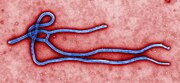
Ebola virus virion.jpg 

Ebola vaccine candidates against Ebola have been developed in the decade prior to 2014, but none have yet been approved for clinical use in humans. Several promising vaccine candidates have been shown to protect nonhuman primates (usually macaques) against lethal infection. These include replication-deficient adenovirus vectors, replication-competent vesicular stomatitis (VSV) and human parainfluenza (HPIV-3) vectors, and virus-like nanoparticle preparations. Conventional trials to study efficacy by exposure of humans to the pathogen after immunization are obviously not feasible in this case. For such situations, the FDA has established the "Animal Efficacy Rule" allowing licensure to be approved on the basis of animal model studies that replicate human disease, combined with evidence of safety and a potentially potent immune response (antibodies in the blood) from humans given the vaccine. Clinical trials involve the administration of the vaccine to healthy human subjects to evaluate the immune response, identify any side effects and determine the appropriate dosage.


VaccineAssociated organisations Status
Chimp adenovirus 3 vectored glycoprotein (cAd3-EBO Z) GSK & NIAID Phase III Feb. 2016
rVSV vectored glycoprotein (VSV-EBOV) Newlink Genetics & Merck in use (flare ups/ West Africa)
Human adenovirus 5 vectored 2014 glycoprotein insert BIT & CanSino Phase I complete
Adenovirus 26 vectored glycoprotein / MVA-BN (Ad26.ZEBOV/ MVA-BN) Johnson & Johnson Phase I complete April, 2016
HPIV-3 vectored glycoprotein Ministry of Health (Russia) Phase I planned
Rabies vectored glycoprotein Thomas Jefferson University & NIAID Non-human primate challenge complete
Purified glycoprotein Protein Sciences NHP challenge initiated
Ebola ∆VP30 H2O2 treated University of Wisconsin Non-human primate challenge complete


Ebola virions
In September 2014, two Phase 1 clinical trials began for the vaccine cAd3-EBO Z, which is based on an attenuated version of a chimpanzee adenovirus (cAd3) that has been genetically altered so that it is unable to replicate in humans. The cAd3 vector has a DNA fragment insert that encodes the Ebola virus glycoprotein, which is expressed on the virion surface and is critical for attachment to host cells and catalysis of membrane fusion. It was developed by NIAID in collaboration with Okairos, now a division of GlaxoSmithKline. For the trial designated VRC 20, 20 volunteers were recruited by the NIAID in Bethesda, Maryland, while three dose-specific groups of 20 volunteers each were recruited for trial EBL01 by University of Oxford, U.K. Initial results were released in November 2014; all 20 volunteers developed antibodies against Ebola and there were no significant concerns raised about safety. In December 2014, University of Oxford expanded the trial to include a booster vaccine based on MVA-BN, a strain of Modified vaccinia Ankara, developed by Bavarian Nordic, to investigate whether it can help increase immune responses further. The trial which has enrolled a total of 60 volunteers will see 30 volunteers vaccinated with the booster vaccine. As of April 2015, Phase 3 trial with a single dose of cAd3-EBO Z begins in Sierra Leone after a successful Phase 2 study in West Africa countries.
 

rVSV-EBOV

A vaccine based on the vesicular stomatitis virus which was genetically modified to express a surface glycoprotein of Zaire Ebola virus, called VSV-EBOV, has been developed by the Public Health Agency of Canada, with development subsequently taken over by Merck Inc. In October 2014, the Wellcome Trust, who was also one of the biggest UK founder, announced the start of multiple trials in healthy volunteers in Europe, Gabon, Kenya, and the USA. The vaccine was proven safe at multiple sites in North America, Europe, and Africa,but several volunteers at one trial site in Geneva, Switzerland, developed vaccine-related arthritis after about 2 weeks, and about 20%-30% of volunteers at reporting sites developed low-grade post-vaccine fever, which resolved within a day or two. Other common side-effects were pain at the site of injection, myalgia, and fatigue. The trial was temporarily halted in December 2014 due to possible adverse effects, but subsequently resumed. As of April 2015, a Phase 3 trial with a single dose of VSV-EBOV began in Liberia after a successful Phase 2 study in the West Africa country. On 31 July 2015, preliminary results of a Phase 3 trial in Guinea indicated that the vaccine appears to be "highly efficacious and safe." The trial used a ring vaccination protocol that first vaccinated all the closest contacts of new cases of Ebola infection either immediately or after 21 days. Because of the demonstrated efficacy of immediate vaccination, all recipients will now be immunized immediately. Ring vaccination is the method used in the program to eradicate smallpox in the 1970s. The trial will continue to assess whether the vaccine is effective in creating herd immunity to Ebola virus infection.

Ad26.ZEBOV/ MVA-BN

Johnson & Johnson has developed an Ebola vaccine at its Janssen Pharmaceutica Company. The regimen consists of two vaccine components (first vaccine as prime, followed by a second vaccine as boost) that are based on AdVac technology from Crucell Holland B.V., which is part of Janssen, and the MVA-BN technology from Bavarian Nordic. The Ad26.ZEBOV is derived from human adenovirus serotype 26 (Ad26) expressing the Ebola virus Mayinga variant glycoprotein while the second component MVA-BN is the Modified Vaccinia Virus Ankara - Bavarian Nordic (MVA-BN) Filo-vector. This product commenced Phase 1 clinical trial at the Jenner Institute in Oxford during January 2015. The preliminary data indicated the prime-boost vaccine regimen elicited temporary immunologic response in the volunteers as expected from vaccination. The Phase 2 trial enrolled 612 adult volunteers and commenced in July 2015 in United Kingdom and France. A second Phase 2 trial, involving 1,200 volunteers, has been initiated in Africa  with the first trial commenced in Sierra Leone in October 2015.

Ebola GP vaccine

Recombinant formation plasmids
At the 8th Vaccine and ISV Conference in Philadelphia on 27−28 October 2014, Novavax Inc. reported the development in a "few weeks" of a glycoprotein (GP) nanoparticle Ebola virus (EBOV GP) vaccine using their proprietary recombinant technology. A recombinant protein is a protein whose code is carried by recombinant DNA. The vaccine is based on the newly published genetic sequence of the 2014 Guinea Ebola (Makona) strain that is responsible for the current Ebola disease epidemic in West Africa. In animal studies, a useful immune response was induced, and was found to be enhanced ten to a hundred-fold by the company's "Matrix-M" immunologic adjuvant. A study of the response of non-human primate to the vaccine had been initiated. As of February 2015, Novavax had completed 2 primate studies on baboons and macaques and had initiated a Phase 1 clinical trial in Australia. The Lipid nanoparticle (LNP)-encapsulated siRNAs rapidly adapted to target the Makona outbreak strain of EBOV are able to protect 100% of rhesus monkeys against lethal challenge when treatment was initiated at 3 days postexposure while animals were viremic and clinically ill. The top line Phase 1 human trial results showed that the adjuvanted Ebola GP Vaccine was highly immunogenic at all dose levels.

Nasal vaccine

On November 5, 2014, the Houston Chronicle reported that a research team at the University of Texas-Austin was developing a nasal spray Ebola vaccine, which the team had been working on for seven years. The team reported in 2014 that in the nonhuman primate studies it conducted, the vaccine had more efficacy when delivered via nasal spray than by injection. As of early November 2014 further development by the team appeared unlikely due to lack of funding. 

Vaxart tablet

Vaxart Inc. is developing a vaccine technology in the form of a temperature-stable tablet which may offer advantages such as reduced cold chain requirement, and rapid and scalable manufacturing. In January 2015, Vaxart announced that it had secured funding to develop its Ebola vaccine to Phase 1 trial.

Novel recombinant adenovirus type-5 vector-based Ebola vaccine

In late 2014 and early 2015, a double-blind, randomized Phase 1 trial was conducted in the Jiangsu Province of China; the trial examined a vaccine that contains glycoproteins of the 2014 strain, rather than those of the 1976 strain. The trial found signals of efficacy and raised no significant safety concerns.

Vesicular Stomatitis Virus vaccine

A study published in Science during March 2015 demonstrates that vaccination with a weakened form of the Ebola virus provides some measure of protection to non-human primates. This study was conducted in accordance with a protocol approved by an Institutional Animal Care and Use Committee of the National Institutes of Health. The new vaccine relies on a strain of Ebola called EBOVΔVP30, which is unable to replicate.

Clinical trials in West Africa

In January 2015, Marie-Paule Kieny, the WHO's assistant director-general of health systems and innovation, announced that the vaccines cAd3-EBO Z and VSV-EBOV had demonstrated acceptable safety profiles during early testing and would soon progress to large-scale trials in Liberia, Sierra Leone and Guinea. The trials would involve up to 27,000 people and comprise 3 groups - members of the first two groups would receive the two candidate vaccines, while the third group will receive a placebo.  Both vaccines have since successfully completed the Phase 2 studies. The large scale Phase 3 studies have begun as of April 2015 in Liberia and Sierra Leone,  and in Guinea in March 2016.
In addition, a medical anthropologist at Université de Montréal, has been working in Guinea and raised further questions about safety in the ring trial after spending time in April at one of the Ebola treatment units where trial participants are taken if they become ill, the centre in Coyah, about 50 km from the capital of Conakry.

U.S. national stockpile

Credit Suisse has estimated that the U.S. government will eventually provide over $1 billion in contracts to companies to develop medicine and vaccines for Ebola virus disease. Congress passed a law in 2004 that funds a national stockpile of vaccines and medicine for possible outbreaks of disease. A number of companies are developing Ebola vaccines: GlaxoSmithKline, NewLink Genetics, Johnson & Johnson and Bavarian Nordic. Another company, Emergent BioSolutions, is a contestant for manufacturing new doses of ZMapp, a drug for Ebola virus disease treatment originally developed by Mapp Biopharmaceutical. Supplies of ZMapp ran out in October 2014.


Friday, 18 November 2016

100 ஆண்டுக்குப் பிறகு உயிர்பிழைப்பேன்: 14 வயது சிறுமி உடலை பாதுகாக்க லண்டன் ஐகோர்ட் அனுமதி

மரணப்படுக்கையில் இருந்த 14 வயது சிறுமி, 100 ஆண்டுக்குப் பிறகும் உயிர்பிழைக்க வாய்ப்பு உள்ளதாக கூறியதையடுத்து அவர் விரும்பியபடி உடலை உறைநிலையில் பதப்படுத்தி வைக்க லண்டன் ஐகோர்ட் அனுமதி அளித்துள்ளது.
100 ஆண்டுக்குப் பிறகு உயிர்பிழைப்பேன்: 14 வயது சிறுமி உடலை பாதுகாக்க லண்டன் ஐகோர்ட் அனுமதி
லண்டன்:

மருத்துவ முறைகளில் காலத்திற்கேற்ப நவீன கண்டுபிடிப்புகள் பயன்படுத்தப்படுகின்றன. உறுப்பு மாற்று அறுவை சிகிச்சைகள் சர்வசாதாரணமாகப் போய்விட்ட நிலையில், அடுத்து தலைமாற்று அறுவை சிகிச்சைக்கான முயற்சியும் இறந்த மனிதனை உயிர்பிழைக்க வைக்கும் ஆய்வுகளும் தொடர்கின்றன. இதனால் அடுத்த தலைமுறையின் மருத்துவ வளர்ச்சி பிரமிக்கத்தக்க வகையில் இருக்கும் என்பதில் சந்தேகமில்லை.

இந்த மருத்துவ வளர்ச்சியின் மீது நம்பிக்கை வைத்த பிரிட்டனைச் சேர்ந்த 14 வயது சிறுமி, அரிய வகை புற்றுநோயால் பாதிக்கப்பட்டு மரணத்தை நெருங்கிய நிலையிலும் எதிர்காலத்தில் உயிர்பிழைக்க வாய்ப்புகள் உள்ளதாக கூறி தனது உடலை உறைநிலையில் பாதுகாக்க விரும்பினார்.

ஆனால், ஏற்கனவே விவாகரத்து பெற்றிருந்த அவளது பெற்றோரிடையே ஒருமித்த கருத்து ஏற்படாததால் இந்த விவகாரம் லண்டன் ஐகோர்ட்டுக்கு சென்றது.

மரணப் படுக்கையில் இருந்த அந்த சிறுமி தனது விருப்பம் குறித்து நீதிபதிக்கு கடிதம் எழுதினாள். அதில், “எனக்கு இப்போது 14 வயதுதான் ஆகிறது. நான் சாக விரும்பவில்லை. ஆனால், நான் இறந்துகொண்டிருப்பதை அறிவேன். அதேசமயம், நான் நீண்டகாலம் வாழ ஆசைப்படுகிறேன். எதிர்காலத்தில் எனது புற்றுநோய்க்கான மருந்து கண்டுபிடிக்கப்பட்டு, நான் உயிர்பிழைக்கலாம் என நினைக்கிறேன்.

எனவே, என் உடலை ‘கிரையோஜெனிக்’ முறையில் பதப்படுத்தி வைத்தால் 100 ஆண்டுகளுக்குப் பிறகும்கூட எனது நோய் குணமடைவதற்கான வாய்ப்பு உள்ளது. எனது உடலை புதைக்க விரும்பவில்லை” என அந்த சிறுமி தனது விருப்பத்தை தெரிவித்திருந்தாள்.

இவ்வழக்கை விசாரணையின்போது அந்த சிறுமியின் தாயார் ஒப்புதல் அளித்தார். முதலில் நடைமுறை சிக்கல்களை காரணம் காட்டி மறுப்பு தெரிவித்த தந்தையும், ஒருவழியாக மகளின் விருப்பத்தை நிறைவேற்ற சம்மதித்தார். இதனையடுத்து, சிறுமி இறந்தபின்னர் உடலை கிரையோஜெனிக் முறையில் பதப்படுத்த நீதிபதி ஜாக்சன் அனுமதி அளித்தார்.

இந்த தகவல் கடந்த மாதம் 6-ம் தேதி சிறுமியிடம் தெரிவிக்கப்பட்டது. மரண வேதனையிலும் தனது மகிழ்ச்சியை வெளிப்படுத்திய அந்த சிறுமி, தனது கடைசி ஆசையை நிறைவேற்றிய நீதிபதியை சந்திக்க விரும்பினார். அதன்படி மறு நாளே சிறுமியை நேரில் சந்தித்துள்ளார். அப்போது, அந்த சிறுமி ‘ஹீரோ’ என மிகவும் பாசத்துடன் அழைக்க, நெகிழ்ந்து போனார் ஜாக்சன்.

அதன்பின்னர் அக்டோபர் 17-ம் தேதி அந்தசிறுமி மரணம் அடைந்தாள். ஐகோர்ட் உத்தரவின்படி உடல் அமெரிக்காவின் மிச்சிகன் மாநிலத்தில் உள்ள ஒரு ஆய்வகத்தில் கிரையோஜெனிக் முறையில் மைனஸ் 196 டிகிரி செல்சியஸ் உறைநிலையில் பதப்படுத்தப்பட உள்ளது. இதன்மூலம், முதல் முறையாக பிரிட்டனைச் சேர்ந்த சிறுமியின் உடல் இவ்வாறு பதப்படுத்தப்பட உள்ளது குறிப்பிடத்தக்கது.

இவ்வாறு பதப்படுத்தப்படும் உடலானது, எத்தனை ஆண்டுகள் ஆனாலும் திசுக்களுக்கு எந்தவித சேதமும் ஏற்படாமல் அப்படியே இருக்கும் என்பது குறிப்பிடத்தக்கது.

Tuesday, 20 September 2016

தமிழகத்துக்கு 21-ம் தேதி முதல் 30-ம் தேதி வரை 3,000 கன அடி நீர் திறக்க வேண்டும்: காவிரி மேற்பார்வைக் குழு உத்தரவு; கர்நாடகாவில் மீண்டும் பதற்றம்


கோப்புப் படம்.


கர்நாடக அரசு வரும் 21-ம் தேதியில் இருந்து 30-ம் தேதி வரை தமிழகத்துக்கு காவிரியில் இருந்து வினாடிக்கு 3 ஆயிரம் கன அடி (2.6 டிஎம்சி) நீரை திறந்துவிட வேண்டும் என காவிரி மேற்பார்வைக் குழு உத்தரவிட்டுள்ளது. கர்நாடகாவில் பதற்றம் ஏற்பட்டுள்ளதால் பலத்த பாதுகாப்பு ஏற்பாடுகள் செய்யப்பட்டுள்ளன.
உச்ச நீதிமன்ற உத்தரவின்படி காவிரி நதி நீர் பங்கீடு தொடர்பாக ஆலோசிப்பதற்காக காவிரி மேற் பார்வைக் குழுக் கூட்டம் கடந்த 12-ம் தேதி கூடியது. அப்போது நடப்பு நீர்ப்பாசன ஆண்டில் தமிழகம், கர்நாடகா ஆகிய மாநிலங்களில் பெய்த மழை அளவு, அணைகளில் உள்ள நீர் இருப்பு, கடந்த 10 ஆண்டுகளுக்கும் மேலாக காவிரி யில் பயன்படுத்தப்பட்ட நீரின் அளவு உள்ளிட்ட தகவல்களை இரு மாநில அரசுகளும் தாக்கல் செய்ய உத்தரவிடப்பட்டது.
இதையடுத்து மத்திய நீர் வளத் துறைச் செயலரும் காவிரி மேற்பார்வைக் குழு தலைவருமான சசி சேகர் தலைமையில் நேற்று மீண்டும் காவிரி மேற்பார்வைக் குழு கூட்டம் டெல்லியில் நடை பெற்றது. இதில் தமிழக அரசின் தலைமை செயலர் ராமமோகன ராவ், கர்நாடக அரசின் தலைமை செயலர் அரவிந்த் ஜாதவ், புதுச்சேரி அரசின் தலைமை செயலர் மனோஜ் பரிதா, கேரள அரசின் பிரதி நிதிகள் உள்ளிட்ட 4 மாநிலங்களைச் சேர்ந்த முக்கிய அதிகாரிகள் பங்கேற்றனர்.
சுமார் 4 மணி நேரம் நடைபெற்ற இந்தக் கூட்டத்தில் தமிழக அரசின் தரப்பில், ''காவிரி நடுவர் மன்ற இறுதி தீர்ப்பின்படி கர்நாடக அரசு தமிழகத்துக்கு 64 டிஎம்சி நீரை திறக்க வேண்டும். குறித்த நேரத்தில் காவிரி நீர் திறக்கப்பட்டால் மட்டுமே தமிழகத்தில் பயிரிடப்பட்டுள்ள சம்பா பயிரை காப்பாற்ற முடியும். விவசாய தேவைக்கும் குடிநீர் தேவைக்கும் காவிரி நீரை நம்பியிருப்பதால் கர்நாடக அரசுக்கு உடனடியாக உத்தரவிட வேண்டும்'' எனக்கூறப்பட்டது.
அப்போது கர்நாடக அரசு தரப்பில், '' கர்நாடகாவில் பருவ மழை பொய்த்ததால் அணைகளில் போதிய நீர் இருப்பு இல்லை. இருப்பினும் காவிரி நடுவர் மன்ற இறுதி தீர்ப்பின்படி தமிழ‌கத்துக்கு இதுவரை 13 டிஎம்சி காவிரி நீர் திறக்கப்பட்டுள்ளது. உச்ச நீதிமன்ற உத்தரவின்படி தமிழகத்துக்கு வினாடிக்கு 12 ஆயிரம் கன அடி நீர் திறக்கப்பட்டுள்ளதால் காவிரியின் குறுக்கேயுள்ள 4 அணைகளின் மொத்த நீர் இருப்பு 27 டிஎம்சி மட்டுமே உள்ளது. அடுத்த ஆண்டு ஜூலை மாதம் வரை கர்நாடகாவின் குடிநீர் தேவைக்காக 21 டிஎம்சி நீர் தேவைப்படுகிறது. எனவே தமிழகத்துக்கு பாசனத்திற்காக காவிரி நீரை திறக்க முடியாது'' என தெரிவிக்கப்பட்டது.
இதையடுத்து காவிரி மேற்பார்வைக் குழு தலைவர் சசி சேகர் கர்நாடகா, தமிழக அரசின் தலைமை செயலருடன் தனித்தனியாக ஆலோசனை நடத்தினார். பின்னர், இது தொடர்பாக காவிரி மேற்பார்வைக் குழுவின் த‌லைவர் சசி சேகர் நிருபர்களிடம் கூறியதாவது:
காவிரி நீர்ப்பிடிப்பு பகுதியில் பெய்த மழையின் அளவு, கர்நாடகா - தமிழகம் ஆகிய இரு மாநில அணைகளில் உள்ள நீர்மட்ட அளவு, அணைகளின் நீர்வரத்து மற்றும் வெளியேற்ற அளவு, பயிரிடப்பட்டுள்ள நிலப்பரப்பின் அளவு ஆகியவற்றை அறிவியல் பூர்வமாக ஆராய்ந்து காவிரி மேற்பார்வை குழு சில முடிவுகளை எடுத்துள்ளது.
அதன்படி கர்நாடக அரசு வரும் 21-ம் தேதி முதல் 30-ம் தேதி வரை வினாடிக்கு 3 ஆயிரம் கன அடி (2.6 டிஎம்சி) காவிரி நீரை தமிழகத்துக்கு திறந்துவிட வேண்டும். இந்த முடிவில் இரு மாநில அரசுகளுக்கும் ஆட்சேபம் இருந்தால் உச்ச நீதிமன்றத்தை அணுகலாம். எங்களது முடிவு குறித்து உச்ச நீதிமன்றத்தில் அறிக்கை தாக்கல் செய்யப் படும்.
காவிரி நதி நீர் பங்கீடு தொடர்பான சிக்கலை தீர்க்கும் வகையில், இனி காவிரி மேற்பார் வைக் குழு கூட்டத்தை அவ்வப் போது நடத்த முடிவு செய்யப்பட் டுள்ளது. புதிய முறையாக 4 மாநில அரசுகளின் ஒத்துழைப் புடன் செயற்கைக் கோள் உள்ளிட்ட நவீன அறிவியல் கருவி களின் உதவியோடு காவிரி ஆற்றின் உண்மை நிலை கண்காணிக்கப் படும்.
இதன் மூலம் கர்நாடக- தமிழக காவிரி நீர்ப்பாசன பகுதியின் மழைபொழிவு, அணைகளின் நீர்மட்டம், நீர்வரத்து மற்றும் நீர் வெளியேற்ற‌ அளவு ஆகிய வற்றை கண்டறிந்து இனி இணையதளத்தில் வெளியிடப் படும். இதற்கான செலவினங்களை மாநில அரசுகளே ஏற்க வேண்டும். காவிரி மேற்பார்வைக் குழுவின் கடமையை நிலைநாட்டும் நோக்கில் வருகிற பிப்ரவரி வரை மாதந்தோறும் கூட்டம் நடத்தப்படும். அப்போதைய நிலையின் அடிப்படையில் முடிவு எடுக்கப்படும். அடுத்த கூட்டம் அக்டோபர் மாதத்தில் நடத்தப்படும்.


Thursday, 4 August 2016

ஜிஎஸ்டி என்றால் என்ன?


நாடு சுதந்திரமடைந்தபிறகு வரி விதிப்பில் மேற்கொள்ளப்படும் மிகப் பெரிய மாற்றம் இதுவாகும். நாடு முழுவதும் ஒருமுனை வரி விதிப்பைக் கொண்டு வரும் வகையில் சரக்கு மற்றும் சேவை வரி (ஜிஎஸ்டி) அமல்படுத்தப்பட உள்ளது. இதன் முக்கிய அம்சங்கள்:
* இது ஒரே சீரான சரக்கு மற்றும் சேவைகளுக்கு விதிக்கப் படும் மறைமுக வரி விதிப்பாகும். இது நாடு முழுவதற்கும் ஒரே அளவாக இருக்கும். பல முன்னேறிய நாடுகள் இத்தகைய வரி விதிப்பு முறையைத்தான் பின்பற்றுகின்றன. உற்பத்தி, விற்பனை, நுகர்வு ஆகிய அனைத்துக்கும் ஒரே முனை வரி விதிப்பைக் கொண்ட ஒருங்கிணைந்த வரி விதிப்பாகும்.
* மத்திய அரசு விதிக்கும் உற்பத்தி வரி, சேவை வரி, உற் பத்தி மற்றும் சுங்கத்துறையில் விதிக்கப்படும் கூடுதல் வரி, சிறப்பு கூடுதல் சுங்க வரி, செஸ், சர்சார்ஜ் உள்ளிட்ட அனைத்து வரி விதிப்புகளும் நீக்கப்பட்டு ஒரு முனை வரியாக விதிக்கப் படும்.
* மாநில அரசு விதிக்கும் மதிப்பு கூட்டு வரி (வாட்) மத்திய வரி, வாங்கும்போது வரி, நுழைவு வரி, பொழுதுபோக்கு வரி, விளம்பரங்கள் மீதான வரி, லாட்டரி, பந்தயம், சூதாட்டம், மாநில அரசு விதிக்கும் பிற வரி விதிப்புகளுக்கு மாற்றாக இது அமையும்.
* அதிக வரிச் சுமையைக் குறைப்பதே இதன் முக்கிய நோக்கமாகும். பொதுவாக மத்திய, மாநில அரசுகள் பொருள் உற்பத்தி மதிப்பை அடிப்படை யாகக் கொண்டு வரி விதிப்ப தில்லை. இருப்பினும் பல்வேறு நிலைகளில் வரி விதிப்புக்கு உள்ளாக்கப்படும். இது நாட்டின் ஒட்டுமொத்த உள்நாட்டு உற்பத் தியை (ஜிடிபி) மறைமுகமாக பாதிக்கிறது. வரி ஏய்ப்பு, குறைந்த வரி ஆகியவற்றை தவிர்ப்பதோடு தொழில் புரிவதை எளிதாக்கும்.
* 2011-ம் ஆண்டு வடிவமைக் கப்பட்ட ஜிஎஸ்டி மசோதா வரை வில் கச்சா எண்ணெய், பெட் ரோல், டீசல், எரிவாயு, விமான எரிபொருள் மற்றும் மதுபானங் கள் ஜிஎஸ்டி வரி விதிப்பு பட்டியலில் இடம்பெறவில்லை.
* ஜிஎஸ்டி தொடர்பாக மத்திய, மாநில அரசுகளிடையே ஏற்படும் பிரச்சினைகளைத் தீர்க்க ஜிஎஸ்டி சமரச தீர்வு ஆணையம் ஏற்படுத்தப்படும். மாநிலங்களுக்கு இப்புதிய வரி விதிப்பு முறையால் ஏற்படும் வரி வருவாய் இழப்பு குறித்து இது ஆராயும். ஆனால் 2014-ல் கொண்டு வரப்பட்ட திருத்தத்தில் ஆணையத்துக்கு இத்தகைய அதிகாரம் நீக்கப்பட்டுள்ளது.
* 2014-ல் மேற்கொள்ளப்பட்ட திருத்தத்தில் மதுபான வகைகள் ஜிஎஸ்டி பட்டியலில் இடம்பெறவில்லை.
* மாநிலங்கள் சில முக்கிய பொருள்கள் மீது வரி விதிப்பைக் குறைக்கலாம் என 2011-ல் அளிக் கப்பட்ட விதி 2014-ல் மேற்கொள் ளப்பட்ட திருத்தத்தில் முற்றிலு மாக நீக்கப்பட்டுள்ளது. இதனால் மாநிலத்தின் சிறப்பு அந்தஸ்து பிரிவில் எந்த உணவுப் பொருளும் இடம்பெற முடியாது.
* அதேபோல பஞ்சாயத்து மற்றும் முனிசிபாலிட்டிகளில் பொருள் நுழைவு வரி விதிக்கலாம் என்ற விதிமுறையும் 2014 ம் ஆண்டு மேற்கொள்ளப்பட்ட திருத்தத்தில் முற்றிலுமாக நீக்கப்பட்டுவிட்டது.
ஜிஎஸ்டி-க்கு தயார் ஆகாத நிறுவனங்கள்:
இந்தியாவின் முக்கிய வரி சீர்த்திருத்தமான சரக்கு மற்றும் சேவை வரி மசோதா (ஜிஎஸ்டி) மாநிலங்களவையில் நேற்று தாக்கல் செய்யப்பட்டது. ஜிஎஸ்டி மசோதா நிறைவேற்றுவதில் அரசியல் ரீதியாக பல்வேறு குழப்பங்கள் நிலவிவந்த நிலையில் தற்போது பல கட்சிகள் ஆதரவு தெரிவித்துள்ளன. தற்போது ஜிஎஸ்டி மசோதா நிறைவேற்றப் படுவதற்குரிய சாத்தியக்கூறுகள் அதிகமாகியுள்ளன. ஆனால் ஜிஎஸ்டி சட்டத்திற்கு ஏற்ப இன்னும் தயார்படுத்திக் கொள்ளாமல் பல நிறுவனங்கள் உள்ளன. மேலும் பல நிறுவனங்களுக்கு ஜிஎஸ்டி சட்ட மசோதா குறித்த சந்தேகங்கள் நிறைய எழுந்துள்ளன. 
சாஃப்ட்வேர் தயார்...
சரக்கு மற்றும் சேவை வரி விதிப்பு (ஜிஎஸ்டி) முறையைச் செயல்படுத்துவதற்குத் தேவையான தகவல் தொழில்நுட்ப கட்டமைப்பு வசதி மற்றும் அதற்குரிய சாஃப்ட்வேர் தயாராக உள்ளது. இதை முன்னணி தகவல் தொழில்நுட்ப நிறுவனமான இன்போசிஸ் உருவாக்கியுள்ளது. 
மாநிலங்களவையில் நிறைவேறியது..
நீண்டகாலமாக நிலுவையில் உள்ள சரக்கு மற்றும் சேவை வரி (ஜிஎஸ்டி) மசோதா காங்கிரஸ், திமுக உள்ளிட்ட எதிர்க்கட்சிகளின் ஆதரவுடன் மாநிலங்களவையில் நேற்று நிறைவேறியது. எனினும், இந்த மசோதாவுக்கு அதிமுக எதிர்ப்பு தெரிவித்ததுடன் வாக்கெடுப்பை புறக் கணித்தது. 


Monday, 25 July 2016

Bus rams lorry in Krishnagiri, 7 killed

DEADLY IMPACT:The wreckage of the private bus that hit a container lorry at Sundagiri near Krishnagiri on Sunday.— PHOTO: N. BASHKARAN 


Three of the 30 injured, who were in critical condition, have been rushed to Bengaluru and Salem

Seven persons, including two women, were killed and 30 others injured in a bus-lorry collision on Krishnagiri-Hosur National Highway near Sundagiri on Sunday. Of the injured, three who were in critical condition, have been referred to private hospitals in Bengaluru and Salem.
The Hosur-bound private bus left Krishnagiri around 1.15 p.m. carrying nearly 40 passengers. It was crossing Chinnar along the highway when a container lorry from Hosur took a U-turn near Sundagiri. The bus crashed into the lorry killing four people on the spot. Two persons died at the Krishnagiri Government Hospital and one died at the Hosur Government Hospital.
Twenty seven, including eight women, are being treated in the hospitals in Krishnagiri and Hosur. However, the drivers of the lorry and the bus were not injured in the accident. The bus conductor suffered grievous injuries and was referred to a private hospital in Bengaluru.
Four of the seven persons have been identified as K. Ramayyanaidu (60) of T. Gurubarapalli, S. Usha Nandhini (36) of Hosur, D. Myla (30) of Krishnagiri, and S. Govindan (39) of Kondapanayakanapalli.
Even as the ambulances were on full throttle on their way to the Government Hospital on Gandhi Road in Krishnagiri, the road was partially blocked by a stage for a consumer awareness event. The spot right outside the AIADMK office was narrow, thanks to party hoardings, and the ambulances had slow down there.
On July 3, a multiple collision involving a private bus, lorry, and a car killed 20 people about 10 km from the spot of Sunday’s accident.

மணிப்பூர்: 4,000 ஆயுதங்கள், 100+ பதுங்கு குழிகள், பற்றியெரியும் பகை; வடகிழக்கில் என்ன நடக்கிறது?

  பாஜக ஆட்சி செய்யும் மணிப்பூர் மாநிலத்தில், கடந்த மே 4ம் தேதி இரண்டு பெண்களை முழுவதும் ஆடை களைந்து தெருவில் அழைத்துச் சென்றனர், மானபங்கம் ச...