Wednesday, 27 June 2018

Eight-lane Salem-Chennai green corridor: The land acquisition conundrum


How green was my valley: Revenue officials survey land for acquisition along the proposed Salem-Chennai green corridor at Manjavadikanavai village in Salem district.


Opposition to the eight-lane Salem-Chennai green corridor has seen the State government come down hard on protesters. While the administration, after rolling out a compensatory package, claims that only a section of landowners is actually protesting and that it is ready to address all grievances, tensions on the ground continue to mount by the day.

The tension in the air is palpable when one steps into any of the villages in Salem district, where a survey for acquiring land for the Salem-Chennai green corridor is on.
Black flags flutter in the air, symbolising the resistance to the acquisition. Angry farmers are adamant that they will not allow decades of toil to come to nought.
The defiance, coming soon after Thoothukudi erupted over the Sterlite Copper plant, is another thorn in Chief Minister Edappadi Palaniswami’s side, especially since Salem is his home district, and at stake are two Central government-funded projects — the green corridor and the expansion of Salem airport. Land acquisition for both projects has run into stiff resistance.
The Union Ministry for Road Transport and Highways has sanctioned the eight-lane expressway at a cost of ₹10,000 crore. The Kamalapuram airport, on the outskirts of Salem, is to be expanded by acquiring 570 acres of land.
The 277.3-km eight-lane expressway, which will begin inAriyanur in Salem and end in Vandalur, near Chennai, will pass through the districts of Salem (36.3 km), Dharmapuri (56 km), Krishnagiri (two km), Tiruvannamalai (123.9 km) and Kancheepuram (59.1 km). When the expressway is opened to traffic, the travel time between Salem and Chennai will be reduced to three hours. It takes six hours now, through three existing circuitous routes.
What started as a minor protest by farmers has turned into a full-blown movement, with the arrest of farmers, activists and political cadre. Initially limited to landowners, the protest is now seeing the involvement of political leaders, as well. The Dravida Munnetra Kazhagam and the Communist Party of India have announced protests. Human rights activists are planning a fact-finding mission on alleged police excesses against landowners and protesters.
While farmers argue that the 37-km stretch from Ariyanur to Manjuwadi Pass on the Dharmapuri district border — a lush belt of coconut and arecanut farms, paddy and horticulture fields — will be adversely impacted once the project gets under way, the State government’s view is that a small group of farmers is being instigated by social activists and Opposition parties.

Dharmapuri wary

In picturesque Irulapatty village in Dharmapuri district, Chandra Kumar, an organic farmer and Siddha practitioner, stands to lose three acres, his Siddha shed, as well as his house. The proposed highway will cut through the middle of his land, leaving 1,000 areca trees on one side and a well on the other. Once the access-controlled highway is built, Chandra Kumar wonders how he will bring water to his farm from the other side. Farmers have already been told that no two-wheelers, carts or livestock will be allowed on the highway. Even before explaining the salient features of the project and announcing the compensation package for acquired land, the Salem district administration published the notification announcing its intention to take over about 1,400 survey numbers along the given stretch, which included private, patta, government poromboke and forest lands.
A large number of people complain that the police are camping at the villages. The official machinery seems to have adopted a zero-tolerance approach towards those critical of the eight-lane project, a few villagers say, accusing the police of threatening people who question the need for the project.
K. Balakrishnan, State secretary of the Communist Party of India (Marxist), said it was an “emergency-like” situation at the villages along the project route. Cases have been registered against those who organised meetings of farmers to coordinate the struggle and those who led the protests against the survey. Some people have been arrested.
M.K. Selvaraj, district secretary of the Tamil Nadu Vivasayigal Sangam, affiliated to the CPI, said the deployment of the police was meant to intimidate people. “This is undemocratic and will prove counter-productive,” he said, and demanded that the government give it up.
The government’s response has been in the form of an assertion by the Chief Minister that the expressway will bring development to the State.
Prominent among those arrested for speaking against the project are actor Mansoor Ali Khan, environmental activist Piyush Manush and student activist M. Valarmathi. The police have also registered a case against Seeman, founder of the Naam Tamizhar Katchi.
S. Balaramam, deputy president, Tamil Nadu Vivasayigal Sangam, Tiruvannamalai district, said, “It is not as though the farmers will lose only their agricultural lands. These will be acquired along with their homes. A number of villages will be wiped out, and access to many others will be cut off.”
Mr. Balaraman and district president of the association T.K. Venkatesan were picked up by the police on June 20 for organising a meeting of farmers. All of Wednesday, Chandra Kumar and his family members stood guard over his four-acre plot. When the surveyors came on Thursday, an alert Mr. Kumar drove them away. When they returned two hours later, he and a few neighbouring farmers poured kerosene over themselves and threatened self-immolation.

‘All is well’

Meanwhile, the administration in Salem claimed that a majority of the people were ready to cooperate. Salem Collector Rohini R. Bhajibhakare said on Friday, “Only a minuscule percentage of farmers is opposing the project that has otherwise elicited overwhelming support.” The government machinery is prepared to redress all grievances of aggrieved farmers, she said, and added that about 90% of patta holders extended full cooperation for the land survey. Only 10% had approached the higher authorities for enhanced compensation, she claimed.
Batting for the project, Ms. Bhajibhakare said it would go a long way in accelerating economic and industrial growth in the entire western belt of the State. She appealed to the people to extend cooperation for implementing the project, and said it would bring more benefits to all sections of society. The Collector said the enhanced infrastructure would attract more investments to the region and also improve employment opportunities. “Only a few houses and other structures will be affected by the project. However, the owners will be getting very good compensation,” she said.
Kancheepuram Collector P. Ponnaiah said, “We did receive petitions objecting to the land acquisition, but such petitions ended up being requests for fair and reasonable compensation.”
There is widespread apprehension that the expressway is meant to benefit a few corporate mining majors who want to tap the iron ore reserves in Salem (Kanjamalai) and Tiruvannamalai (Kalvarayan hills) districts. The argument that seeks to lend credence to this apprehension is that at some places between Ayodhiyapattinam and Achankuttapatti, the proposed road runs parallel to the existing highway, which is only about 50 m away. Trade and industry, however, welcomed the project. K. Mariappan, president of the Indian Chamber of Commerce and Industry, Salem chapter, said the district was all set to get a defence hub and the expressway would be of help.

Intent to acquire

The process of acquiring land for the proposed 277.3-km-long Chennai-Salem highway is under way, with the issue of a notification under Section 3A of the National Highways Act, 1956. This means the government has made its intention clear.
But while the consultant had submitted the draft feasibility report to the National Highways Authority of India (NHAI), the details of the project were still being worked out and a detailed project report had to be prepared next, said NHAI officials. “The Ministry of Environment and Forests has approved our terms of reference. We have to submit a compliance report. We will be holding public consultations explaining the project to the public,” Pawan Kumar, Regional Officer, NHAI, said.
After several revisions, the land requirement for the project has been brought down to 1,900 ha from 2700 ha. “Also, a ministry guideline allowed us to reduce the width of the road from 110 m to 70 m since we would have less than 40,000 passenger car units of traffic. In forest areas, which run to a length of total 10 km, the width is further reduced to 50 m,” Mr. Kumar said.
“If we are to expand the popular route via Ulundurpet, around 40,000 structures would have to be removed. The greenfield project does minimal harm to structures. In fact, in Salem district, a two-km long tunnel is being constructed to avoid the Jarugumalai forest and urban settlements,” he pointed out.

Forest land clearance

A total of 50 ha of forest land is required for the project. As the corridor will run through reserved forests in at least three districts, the project has to be cleared under the Forest Conservation Act. At present, only survey and data collection is being allowed. “Every inch of diversion of forest land has to be approved,” said a senior officer.
In Salem district, the project will require about 3.5 acres of land in two reserved forests. In Tiruvannamalai, it will pass through five reserved forests and the initial estimate is that it may need over five acres of forest land. In both districts, there are no major wild animals; minor carnivores like wild dogs, jackals and foxes are abundant, said officials. The Principal Chief Conservator of Forests has stipulated that there should not be any cutting of trees during the survey, sources said.


Tuesday, 22 May 2018

Nipah virus scare: Health department issues alert

KOZHIKODE: The National Virology Institute, Pune, confirmed that the contagious fever that has killed several people in Kozhikode and Malappuram districts over the last fortnight is due to Nipah virus ( NiV). Six more people succumbed to symptoms suspected to be that of Nipah virus on Sunday.
On Monday morning, a 31-year-old nurse at Perambra Taluk hospital succumbed due to suspected symptoms of the virus taking the final toll to 10.

A high-level central team will visit the district on May 21 and inspect areas where the disease has been reported. It is the first detection in Kerala of the Nipah virus which has a high fatality rate and spreads mainly through bats, pigs and other animals. Its symptoms include fever, vomiting, headache and respiratory problems. Rajeev Sadanandan, additional chief secretary, department of health & family welfare, told TOI that the virus was confirmed in tests conducted at the Pune institute on samples of the three deceased from a family at Changaroth panchayat. "We will now treat all persons presenting similar symptoms as potential Nipah-infected cases as part of disease surveillance," Sadanandan said.

He said that the department has not been able to ascertain the extent of the spread of the disease as the virus has an incubation period of four to 18 days. Health workers have been asked to take the highest level of protection while handling patients. The death toll due to suspected Nipah virus infection rose to nine on Sunday with the death of six more persons who had shown symptoms of the disease. Of this, two deaths were reported from Kozhikode and four from Malappuram district. The deceased from Kozhikode have been identified as Ismail, 40, from Kootalida and Janaki, 50, from Perambra. The suspected Nipah virus deaths from Malappuram are Velayudhan, 48, from Kolathur, Sindhu, 32, from Munniyur, Lijitha, 22, from Thennala and a 13 year-old boy from Kottakkal.

Malappuram district medical officer Dr K Sakeena said that the symptoms found in the deceased persons from the district were similar to that of Nipah virus infection and the blood samples of deceased have been sent to virology lab at Kasturba medical college, Manipal.


The health department has activated precautionary measures and issued an alert to the public. "As the primary host of Nipah virus is fruit bats, the disease control and containment strategy include asking people to desist from eating bat eaten fruits. Also, the district collector has been asked to stop toddy tapping in the area as toddy can become contaminated with saliva or bat urine. Pigs too can serve as intermediate hosts of the virus and as per reports there are many pig farms in the area and steps have been taken in that regard," Sadanandan said.

A district-level special task force headed by district collector U V Jose has been formed to coordinate precautionary steps and disease management activities. The district-level task force was formed at an emergency meeting chaired by director of health services (DHS) Dr R L Saritha at the collectorate on Sunday. Speaking to the media, Dr Saritha said that both government and private hospitals have decided to take joint measures to combat the rare viral disease. 

A single-window system has also put in place in the district to coordinate and monitor emergency treatment facilities. Dr Chandini, head of department of emergency medicine, Kozhikode Government Medical College hospital, will head the singlewindow mechanism. The DHS informed that a round-the-clock control room at the state level and another one in Kozhikode district were opened to help the public. The district-level control room can be reached at 0495-2376063. 

Sunday, 29 April 2018

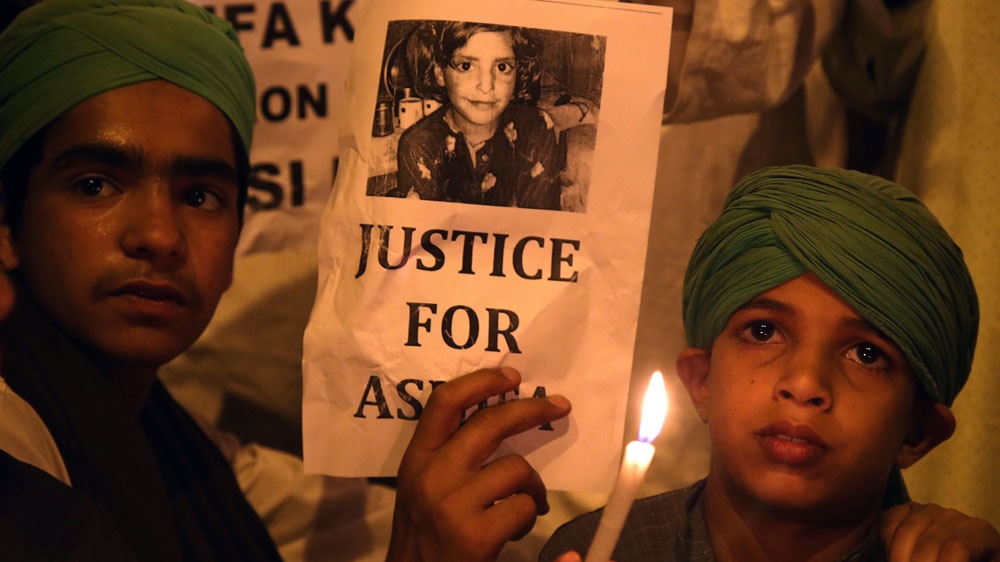
Asifa's rape and killing: The girl, her family and the accused


Udhampur, Indian-administered Kashmir:
 Police investigation details gruesome rape and killing of eight-year-old Asifa Bano, as outrage in India soars.

Udhampur, Indian-administered Kashmir - The time was ripe to kill the girl, Sanji Ram told his juvenile nephew on a cold January evening, according to a police report.
The ritual had been performed and Asifa, an eight-year-old Muslim nomad girl, was taken to a culvert in front of a temple where she had been kept in captivity, and sedated, for four days in Rasana village of Kathua district in Indian-administered Kashmir.
But, before she was strangulated and her head hit twice with a stone "to make sure" she was dead, Deepak Khajuria, a special police officer, made a demand. He wanted to rape the girl before she was killed.
"As such", the police investigation noted, "once again the little girl was gang-raped" by the accused police officer and then by the juvenile.
For the next three months, the rape and murder of Asifa seemed to be just another case of sexual violence that is rampant in India but rare in Indian-administered Kashmir, until the barbarity and the plot came to fore in a 16-page charge sheet presented by the crime branch - a local investigating agency.
The investigation revealed that the rape and murder were systematic, preplanned and rooted in religious hatred harboured by Sanji Ram, a Hindu, against the Muslim nomadic community of Bakarwals.

The nomad girl

Asifa, the nomad girl, loved to take horses for grazing to the forest near her home in Rasana, a quiet village in Kathua district of Indian-administered Kashmir.
The reason Asifa was picked as a target by Sanji Ram, who knew she "often comes to the forest", was simple; they wanted to drive the Muslim community out, according to the investigation.
In captivity inside a temple, Asifa was drugged and raped, according to the police investigation. The police report described Asifa as an "innocent budding flower, a child of only eight years of age, who being a small kid became a soft target".

The crime, however, was rooted in a sinister conspiracy and Asifa's rape and killing were the means to an end - create fear among the Muslim nomadic Bakarwal community and force them to leave.
Rafeeza Bano, Asifa's 55-year-old mother, recalls the horror she saw on her dead daughter's body. "There were scars on her cheeks," she told Al Jazeera at their camp in Udhampur.
"Her lips had turned black and her eyes had bulged out. It was a scary scene for a mother to see," she said. "She was my youngest child. It was horrific. She had faced a lot of barbarity."
The mother now fears for her two surviving daughters, one of them aged 13. "They did this with an eight-year-old girl, imagine what they can do with a 13-year-old," she said.

The Family

The tough life of a nomad had cast its shadow on Mohammad Akhtar and he looks older than his 45 years. He now lives with a more damning burden - the elusive justice for his daughter, Asifa.
On a hill in Udhampur district, nearly 150km north of Rasana, the family camps under the open sky with their herd of goats and horses. The journey is part of the annual migration of this nomadic community in search of grazing pastures.
"Her face was full of scratches and bites," Akhtar told Al Jazeera, describing the marks of torment on Asifa. "I never knew they would do this to a child, her milk teeth were yet to fall out," he said.


Akhtar is Asifa's biological father as the girl was raised by her maternal uncle, Mohammad Yusuf, who adopted her when she was a toddler after he lost his three children in an accident.
"After she was killed it created more fear than before. We now take our daughters along all the time, all in our community became protective towards our daughters," he said.
Akhtar said the family also faced threats in the aftermath of the incident.
"They said if our men are given the death sentence, we will kill you one by one. After Asifa's body was found, Hindu people came to us and threatened us," he said.
Gazala, Asifa's aunt who lived in nearby Samba district, says she now fears for her two daughters, age nine and four. "I fear for them. They would run after the horses, they were free to play but now we are very worried. We had not seen anything as gruesome," she said.
Asifa's rape and killing have forced an early migration of Bakarwals, a nomadic tribe with a rudimentary lifestyle that earns a living out of herding goats, sheep and horses to mountainous pastures. The incident instilled fear in their community, which is unprotected during its lengthy migratory journeys.
Manega, Asifa's elder sister, was still in shock when she talked to Al Jazeera in Udhampur about her sister's death.
"I saw her dead body," she said. "I now fear a lot. We don't play, we don't go out alone. Asifa's killing has shattered us," Manega, 13, said.


The accused

A retired government official, his son who came from another city to "satisfy his lust", the juvenile nephew and his close friend, and the special police officer were all part of the conspiracy and crime to kidnap, rape and killing of the eight-year-old girl, according to the police report. Three police officers were involved in destroying the evidence.
The incident, which initially appeared to draw a reluctant outrage, however, snowballed into a major crisis for India's ruling Hindu nationalist Bharatiya Janata Party (BJP) as the horrifying details and motives of the rape and killing came into public domain.
Human rights groups have repeatedly claimed that religious minority groups, particularly Muslims, face increasing "demonisation by hardline Hindu groups, pro-government media and some state officials" in India, and the frequency of such incidents appears to be increasing.
READ MORE

Accused plead 'not guilty' in Asifa gang-rape case

In a recent Amnesty International report, the London-based human rights group noted that dozens of "hate crimes against Muslims took place across the country".
"At least 10 Muslim men were lynched and many injured by vigilante cow protection groups, many of which seemed to operate with the support of members of the ruling Bharatiya Janata Party," it said.
While the outrage over Asifa's rape and murder was muted - even missing - during the initial weeks, the eight accused men found a crusading force of lawyers and ministers from BJP in their support, some of whom insisted the police investigators were Muslims and had a bias towards the accused - all of whom Hindus.
In the second week of April, nearly three months since Asifa's body was found in the forested foothill, a group of Hindu lawyers attempted to block police investigators from entering a court premise where they had gone to file the charges against the accused.
"It is shocking that the lawyers in Kathua so blatantly tried to obstruct justice in this case," Meenakshi Ganguly, South Asia Director of Human Rights Watch, said in her report last week.
"For the local lawyers and other BJP supporters, the Hindu suspects and the Muslim victim were grounds for blocking prosecution of the case," Ganguly said.
As the pressure mounted on BJP, which administers Indian administered Kashmir in an alliance based government, its two ministers - who had attended a rally in favour of the accused - resigned.
"The investigation was completed within 90 days which makes it clear that there was no intervention or attempt to block the investigation," BJP General Secretary Ram Madhav told reporters in the city of Jammu, 60km from here.

The Fear

The fact that it took three months and the exposure of horrific details for the outrage to build against the rape and killing of the girl, who was just eight-years-old, has already instilled fear among the Muslim nomads.
Bakarwals, a poor tribe of nomads, tread across mountains during their biannual migrations from the meadows of Kashmir valley to the hilly forests of Jammu, where some pockets are dominated by ultra-nationalist Hindu groups
Muhammad Yusuf, 45, Asifa's uncle who had adopted her when she was a toddler, abandoned Rasana village with his herd of sheep, goats and horses soon after the girl's body was found. The routine migration was still weeks away, but the new-found fear forced it earlier.
"We left home earlier than usual due to fear. There is a fear among all the Muslim families in Rasana and most of them have left now," Yusuf said. "We are afraid to go back," he said.
In the village, where Asifa was raped and killed and, later, not allowed to be buried, Yusuf said Hindus were always hostile towards Muslims. "Sometimes, they would object to our grazing of horses, sometimes they would block the water supply," he said.
Zafar Chowdhary, author and political analyst based in Jammu, told Al Jazeera that there is a feeling among the Hindus in the state's Jammu region that Muslims are involved in making demographic changes.
"There is unrest and distrust among the communities in the region particularly on the question of identity in the state," he said.
The family members of accused in the village have launched a hunger strike demanding that the investigations be done by the federal investigative agency.

Sunday, 25 March 2018

தமிழ் தேசியம் என்பது என்ன ?

தமிழ் மொழி தொன்மையானது.
முதற் சங்க காலமாக கூறப்படும் கி.மு 9600 முன்பிருந்து தமிழ் மொழி வழக்கிலிருந்ததா என்பது இதுவரை கண்டறியப்படாத போதிலும், குறைந்தபட்சம் 2500 ஆண்டுகள் தொன்மையுடையது தமிழ் மொழி.
மதுரை அருகே கீழடியில் கிடைத்த நாணயங்கள், பழனி அருகே பொருந்தலில் கிடைத்த தாழிகள் இதை உறுதி செய்கின்றன. ஆதிச்சநல்லூரில் கண்டெடுக்கப்பட்ட ஈமத்தாழிகளில் இருக்கும் எழுத்துக்கள் தமிழ்-பிராமி என்று உறுதி செய்யப்பட்டாலே, தமிழ் மொழி 3800 ஆண்டுகள். தொன்மையானதாகிவிடும். குமரிக்கண்டம் மட்டும் நிரூபிக்கப்பட்டால், முதற்சங்க காலத்தையும் எட்டிவிடும் தமிழ் மொழி.
இந்திய நாட்டில் வழக்கிலிருக்கும் மொழிகளில் தமிழ் மொழியே தொன்மையானது. தமிழில் பிறமொழி கலப்பின்று, ஆதி நாகரீகங்கள் பற்றியும் உரையாடலாம், நாளைய அறிவியலும் பேசலாம். நாளொரு மேனி பொழுதொரு வண்ணமாய் வளரும் போதிலும், தன் வேர்களை மறவாத மரமாய் வாழும் உன்னத மொழி தமிழ்.
ஆனால், இந்தத் தமிழ் மொழி மீது காதலும் பற்றும் கொண்டால், இன்றைய இந்தியா அவனுக்களிக்கும் பெயர் இனவெறியன். தமிழ் தேசியம் பேசுபவனை பிரிவினைவாதி என்றும், தமிழர் உரிமைக்காகப் போராடுபவர்களை தீவிரவாதிகள் என்றும் இன்றைய இந்தியா அழைக்கிறது.
தமிழ் தேசியவாதிகள் பிரிவினைவாதிகள் என்று கருதுவது சரியா?
தமிழ் தேசியம் என்றால் என்ன?
ஒரு சிறு பார்வை . . .

தமிழ் தேசியம் – வரலாறு

தமிழ் தேசிய சிந்தனைக்கு நீண்ட நெடிய வரலாறு இருக்கிறது என்று கூறிவிட முடியாது. ஆனால், அது நேற்று பெய்த மழையில் மழையில் இன்று முளைத்த காளான் என்று புறந்தள்ளி விடவும் இயலாது. 1946ல், இந்திய விடுதலை போராட்டம் இறுதிக் கட்டத்தை அடைந்துவிட்ட நிலையில், ம. பொ. சிவஞானம் அவர்கள் தொடங்கிய இலக்கிய அமைப்பான தமிழரசுக் கழகத்தில் உருவான தத்துவம் தான் தமிழ் தேசியம்.
1946 முதல் 1954 வரை காங்கிரசு கட்சிக்குள் கலை, இலக்கிய, கலாச்சார இயக்கமாக இயங்கி வந்த தமிழரசுக் கழகம், 1954ல் (தமிழரசுக் கழகத்தை கலைக்க காங்கிரசு உத்தரவிட்டதால்) தனி அரசியல் இயக்கமானது.
அந்த காலகட்டங்களில் வடவர்கள், இந்தியாவை ஒன்றிணைத்திட இந்தி வழிவகிக்கும் என்ற காந்தியின் கூற்றின் படி, இந்தியை இந்தியாவின் மொழியாக முன்னிறுத்த முயன்று கொண்டிருந்தனர். சாதி சமய வேறுபாடு, தீண்டாமைக்கெதிராக போராடிக்கொண்டிருந்த தென்னவர்களோ, இந்துக்களின் மொழியான இந்தியை எதிர்த்தனர். இந்தித் திணிப்பு, அடிமைத்தனத்தையும், சாதி கட்டமைப்பையும் ஊக்குவிப்பதாக கருதிய அவர்கள், இந்தித் திணிப்பை அனுமதித்தால், திராவிட மொழிகள் ஒருநாள் அழியும் என்றும், ஆங்கில கல்விக்கும், முன்னேற்றத்திற்கும் இந்தி இடையூறாக நிற்கும் என்றும் கருதினர். அன்று வரை மொழிக்குடும்பமாக மட்டுமே இருந்த திராவிடம் (ராபர்ட் கால்டுவெல் என்பவர் வழங்கிய பெயர்), அரசியல் தத்துவமாக உருவெடுத்தது, அரசியல் இயக்கமாகவும் மாறியது. அன்று தீண்டாமை ஒழிப்பு, பெண்ணுரிமை, பொருளாதார சமத்துவத்திற்காக போராடியவர்கள், இந்த அரசியல் தத்துவத்தை ஏற்றுக்கொண்டதால், தீண்டாமை ஒழிப்பு, பெண்ணுரிமை திராவிடத்தின் அடையாளங்கள் ஆயின.
இந்திய தேசியம், திராவிடம் என்று இரண்டு தத்துவங்களும் தமிழர்க்கு உதவாது என்று எண்ணிய ம. பொ. சிவஞானம் அவர்களும் தமிழரசுக் கழகமும் முன்னெடுத்த தத்துவம் தான் தமிழ் தேசியம். இந்திய தேசியத்தின் ஒரு மொழிக் கொள்கைக்கும், திராவிடத்தின் தனி திராவிடநாடு கோரிக்கைக்கும் மாற்று நிலைப்பாட்டை கொண்டது தான் இந்த தமிழ் தேசிய தத்துவம். தமிழ் மொழி, தமிழர் கலாச்சாரம், பண்பாடு, வரலாறு, தமிழர் அறம், தமிழர் இலக்கியம், தமிழர் வாழ்க்கை முறை, தமிழர் உரிமையை முன்னிறுத்தி,
"மாநிலத்தில் தன்னாட்சி, மத்தியில் கூட்டாட்சி" என்ற தத்துவமே தமிழ் தேசியம்.
தனிநாடு கோரிக்கை அல்ல தமிழ் தேசியம். உலகமெங்கும் வாழும் தமிழ் மக்களுக்கு அவர்கள் வாழும்  தேசத்தில் சம உரிமை வேண்டும் என்ற தத்துவமே தமிழ் தேசியம்.

தமிழன் திராவிடனா?
தமிழன் திராவிடனா என்று அறிவதற்கு முன், திராவிடம்  என்ற சொல் எதைக் குறிப்பிடுகிறது என்றறிவோம்.
திராவிடம் ஒரு மொழிக்குடும்பத்தின் பெயரா? 1856-ல், ராபர்ட் கால்டுவெல் என்பவர் "A comparitive grammar of the Dravidian or South Indian family of Languages" என்று ஒரு நூலை வெளியிடுகிறார். இந்த நூலில், தென்னகத்து மொழிகளான தமிழ், தெலுங்கு, கன்னடம், மலையாளம், துளுவம் ஆகியவை ஒரு குடும்பத்தைச் .சேர்ந்தவை என்றும், இந்த மொழிகள் வடமொழியிலிருந்து தோன்றவில்லை என்றும் ராபர்ட் கால்டுவெல் கூறுகிறார்.
யார் இந்த ராபர்ட் கால்டுவெல்?
கிறித்துவ மதத்தை இந்தியாவில் பரப்ப வந்த ஒரு ஆங்கிலேயர். மொழியாளருமான இவர், இந்தியா வந்தபின், தமிழையும் வடமொழியையும் கற்று, இம்மொழிகளின் இலக்கணத்தை ஆராய்ந்தவர். இவர்தான் தென்னிந்திய மொழிக் குடும்பத்திற்கு திராவிடமொழிக் குடும்பம் என்று பெயரிட்டார். 'திராவிடம்'  என்ற சொல்லை அவர் பயன்படுத்த காரணமாக அவர் கூறும் நூல் தந்திர-வார்த்திகா.
மீமாம்ச (வடமொழி வேதங்களை அன்றி உண்மை ஏதுமில்லை என்ற தத்துவம்) சமயத்தை சார்ந்த குமரில பட்டர் என்பவர் தான் தந்திர-வார்த்திகாவின் ஆசிரியர். இவர் ஏழாம் நூற்றாண்டின் பிற்பகுதியில் இன்றைய காஞ்சிபுரத்தில் வாழ்ந்தார் என்று கருதப்படுகிறது. மீமாம்ச சமயத்தை சார்ந்தவர்கள் வடமொழியை மட்டுமே தேவமொழியாக கருதிய காலத்தில், வேதம் கற்ற ஒருவர் வேதங்களை எந்த மொழியில் கூறினாலும் அதுவும் வேதத்திற்கு சமமானது என்ற  கூறியவர். இவர் பயன்படுத்திய "ஆந்திர-திராவிட" என்ற சொல்லாடலை தெலுங்கையும் தமிழையும் குறிப்பதாகவும், குமரில பட்டரின் காலத்தில் தமிழுக்குள் மலையாளம் அடங்கியிருக்கும், தெலுங்குக்குள் கன்னடம் அடங்கியிருக்கும் என்றும் கால்டுவெல் கருதினார். தமிழுக்கும் தெலுங்குக்கும் ஒற்றுமை இருந்ததை கண்டறிந்த அவர், இவை இரண்டும் ஒரே மொழியிலிருந்து தோன்றி இருக்கும் என்றெண்ணினார். அந்த மூல மொழியை 'திராவிடம்' என்றழைத்தார். இதனால்தான் தமிழ் மொழிக் குடும்பம் என்று அழைக்கப்பட வேண்டிய மொழிகள், திராவிட மொழிக் குடும்பம் என்றழைக்கப்பட்டு வருகின்றன.
அது சரி,
குமரில பட்டர் ஏன் தமிழை திராவிடம் என்றழைக்கிறார்? அதற்கு ஏதேனும் காரணம் உண்டா? 
குமரில பட்டர் வாழ்ந்ததாகக் கருதும் காலம், தென்னிந்தியாவின் பக்தி காலம்.
சமணமும் பௌத்தமும் திளைத்துக்கொண்டிருந்த தமிழகத்தில் வெவ்வேறு வேத சமயங்கள் தலைத்தூக்கிய காலம்.
வடக்கில் திளைத்துக்கொண்டிருந்த இந்த வேத சமயங்கள், தெற்கில் காலூன்ற மொழியைப் பயன்படுத்தினர். வடமொழியை தேவபாஷை என்றும், நாகர்கள் பேசியத் தமிழை மனித மொழி என்றும்  வடவர்கள் கருதியதால், தமிழ் வடமொழிக்கு இணையாகாது என்ற ஒரு கருத்து நிலவியிருக்க வேண்டும். அதை   உணர்ந்த வேத சமயத்தினர், பக்தி காலத்தின் பொழுது தமிழ் மொழியை திராவிட மொழி என்று அழைக்கத் தொடங்கி இருக்கவேண்டும். வடவர்களிடம் பஞ்சதிராவிடர்களின் மொழி தமிழ் என்றும், தமிழர்களிடம், திராவிடம் தமிழ்தான் என்றும் கூறிவிடலாம் என்றும் அவர்கள் எண்ணியிருக்கலாம். அதன் காரணத்தில்தானோ என்னவோ, நாலாயிர திவ்ய பிரபந்தத்தை திராவிட வேதம் என்றும், சம்பந்தரை திராவிட சிசு என்றும் கூறத்தொடங்கினர். 
மீண்டும் ஏன் திராவிடம் என்னும் சொல் ? அது தமிழ் மொழியை குறிக்கின்றதா ?
அந்த முடிவுக்கு வருவதும் எளிதல்ல.
ராஜதரங்கிணி என்னும் 12ம் நூற்றாண்டு காசுமீரிய வரலாற்றை விவரிக்கும் நூல், அன்று வாழ்ந்த பிராமணர்கள் குடியிருந்தப் பகுதிகளைப் பற்றிச் சொல்லுமிடத்தில், விந்திய மலைக்கு வடக்கில் குடியிருந்த பிராமணர்களை பஞ்ச கௌடர்கள் என்றும், விந்திய மலைக்கு தெற்கில் குடியிருந்த பிராம்மணர்களை பஞ்ச திராவிடர்கள் என்றும் கூறுகின்றது.
"கர்நாடகாஸ்ச தைலங்கா த்ராவிடா மஹாராஷ்ட்ரகா:
குர்ஜராஸ்சேதி பஞ்சைவ த்ராவிடா விந்த்ய தக்ஷிணே
ஸாரஸ்வதா: கான்யகூப்ஜா கௌடா உத்கல மைதிலா:
பஞ்ச கௌடா இதி க்யாதா விந்த்யஸ்யோத்தர வாஸின:"
என்ற செய்யுளின்படி: கர்நாடகர், தைலிங்கர், திராவிடர், மகாராட்டியார், குர்ஜரர் என்னும் ஐந்து வகை திராவிடர்களும், சரசுவாதியார், கன்யாகுபிசர், கௌடர், உத்கலர், மைதிலர் என்னும் ஐந்து வகை கௌடர்களும் வாழ்ந்து வந்தனர் என்று அறியலாம். திராவிடர்கள் பிராம்மணர்களா? 
ராஜதரங்கிணியும், மராட்டிய காபியட்களும் (Khafiyat), பக்திகால நிகழ்வுகளும் நமக்கு உணர்த்துவது இதைத்தான். திராவிடம் என்னும் சொல் குறைந்தபட்சம் பக்திக்காலத்தின்பொழுதாவது தென்னிந்திய பிராமணர்களை குறிக்கும் ஒரு சொல்லாகவே இருந்திருக்கிறது. பக்தி காலத்தின் பொழுது தமிழகத்தில் பிரமாணம் காலூன்றவில்லை. 10ம் நூற்றாண்தின் இறுதியில் தொடங்கி, 14ம் நூற்றாண்டின் இறுதியில் தான் பிரமாணம் தமிழகத்தில் வலுப்பெற்றது. அதனால் 12ம் நூற்றாண்டில் திராவிட பிராமணர்கள் என்று ராஜதரங்கிணி கூறுவது தமிழக பிராமணர்களாய் இருக்க முடியாது. பக்தி  காலத்திற்கு முன் எந்த ஒரு தமிழ் நூலிலும் திராவிடம் என்னும் சொல் இடம்பெற்றதில்லை.
சரி, தமிழ் நூலில் இல்லை. வடமொழி நூலில் இருக்கின்றதா ?
நிறைய இடங்களில் இடம்பெற்றுள்ளது. மகாபாரதம், குருசேத்ரப் போரில்  பாண்டவர்களின் பக்கம் சேர்ந்து சேரர்களும், சோழர்களும், பாண்டியர்களும் திராவிடர்களும்  போரிட்டனர் என்று  கூறுகிறது. பாண்டவர்களின் ஒருவரான சகாதேவன் படையெடுத்து வந்து திராவிட, சேர, சோழ மன்னர்களை வென்றான் என்கிறது. வேறு சில இடங்களில் திராவிடர்களையும், ஆந்திரர்களையும், கேரளர்களையும் தனித்தனியே  குறிப்பிடுகிறது. இதே போல் திராவிடர்களும், கர்நாடகர்களையும் வேறு நாட்டவர்கள் என்று குறிப்பிடுகிறது.மகாபாரதம் உண்மைக் கதையோ, புனைவோ தெரியாது. ஆனால் அது, அரசியல் வாழ்க்கையை சித்தரிக்கும் நூல். அதனால் தான் நாடுகளை பற்றி கூறுகிறது. மேலும், அதில் குறிப்பிடப்பட்டுள்ள நாடுகள் இருந்தமைக்கு சான்றுகள் உள்ளது.அந்த மகாபாரதம், சேர சோழ பாண்டிய நாடுகளுக்கு வெளியே இருந்த ஒரு நாடு என்றே திராவிட நாட்டை குறிப்பிடுகிறது.
இதை ராஜதரங்கிணியிலுள்ள செய்யுளுடன் ஒப்பிட்டுப் பார்த்தால் விளங்குவது: மகாபாரத காலங்களிலும் சரி, 12ம் நூற்றாண்டிலும் சரி, திராவிடம் என்பது சேர சோழ பாண்டிய நாடுகளுக்கு வெளியே இருந்த ஒரு நாடு தான் என்று புலப்படும். இந்த நாடு, விந்திய மலைக்கு தெற்கே இன்றைய தெலுங்கானாவிற்கும் கர்நாடகத்திற்கும் அருகே இருந்திருக்க வேண்டும். இந்த திராவிட நாட்டிலும் வரலாற்று காலங்களுக்கு முன், நாகர்கள் வாழ்ந்திருக்க வேண்டும். அவர்களும் தமிழ்மொழி பேசியிருக்க வேண்டும்.
இந்துத்துவத்தையும், தீண்டாமையையும், சாதி சமய ஒடுக்குமுறைகளையும் எதிர்த்த அண்ணல் அம்பேத்கர், புராணங்களில் புதைத்திருக்கும் வரலாற்றையும், கால்டுவெல்லின் மொழி ஆராய்ச்சியையும் ஒன்றிணைத்து, தன் நூலில் கூறுவது – ஆரியர் வருகைக்கு முன்பு, இந்தியாவெங்கிலும் நாகர்கள் பரவி வாழ்ந்தனர். அவர்கள் திராவிடம் அல்லது தமிழ் மொழியையே பேசி வந்தார். நாகர்களின் தாயகம் மராட்டியம் (மகாபாரதத்தில் குறிப்பிடப்பட்டிருக்கும்  திராவிட நாடு?).
இதே காலத்தில் தான், பெரியார் தீண்டாமையை எதிர்த்துப் போராடத்தொடங்கினார். இவரும் கால்டுவெல்லின் தவறான சொற்பயன்பாட்டிற்கு இரையானார். எவரை எதிர்த்தாரோ அவரின் பெயரிலே இயக்கம் துவங்கினார். இதுவே திராவிடம் அரசியல் கோட்பாட்டின் வரலாற்றுச் சுருக்கம்.
இதிலிருந்து சில விடயங்கள் தெளிவாகின்றன.
1. தமிழர்கள் ஒருபோதும் தங்களை திராவிடர்களாகக் கருதியதில்லை.
2. தமிழர் தமிழை ஒருபோதும் திராவிடம் என்று குறிப்பிட்டதில்லை.
3. வரலாற்றில் திராவிடம் என்னும் சொல் சேர சோழ பாண்டியர்கள் ஆளாத ஒரு நாட்டையோ, விந்திய மலைக்கு தெற்கில் வாழ்த்த பிராமண குடியிருப்பயோ குறிக்கின்றதேயன்றி, அது ஒரு இனத்தை குறிப்பதில்லை.
4. கால்டுவெல் பயன்படுத்திய திராவிடம் என்னும் சொல், தமிழ் மொழிக் குடும்பத்திற்கு பொருந்தாது.
5. திராவிடம் என்னும் சொல், மொழியைக் குறிக்கும் இடங்களிலெல்லாம் இடம்பெற்றிருக்க வேண்டிய சொல் 'தமிழ்'. நாகர்களின் மொழி பண்டைத் தமிழ், பண்டைத் திராவிடம் அல்ல. (Nagas spoke proto-Tamil not proto-Dravidian)
திராவிடத்திற்கும் தமிழுக்கும் எந்த சம்பந்தமும் இல்லை. தமிழனும் திராவிடன் இல்லை. 
(குறிப்பு: வேறொரு கட்டுரையில் தமிழன் திராவிடனா என்ற கேள்வியை இன்னும் விரிவாக புராண-இலக்கிய சான்றுகளுடன் விவாதிக்கலாம்.)
மேலும் படிக்க:
1. தமிழன் திராவிடனா? – 130 கட்டுரைகள்
2. ஆரியர், திராவிடர், தமிழர் – 7 கட்டுரைகள்
3. திராவிடம் தமிழைக் குறிக்காது
இணையத்தில் இன்னும் பல அருமையா கட்டுரைகள் .உள்ளன. தமிழன், திராவிடம், என்று தேடினால் கிடைக்கும்.

யார் தமிழர்?
சரி, தமிழன் திராவிடன்  அல்ல. பின்பு அவன் யார்?
ஆதிகாலங்களில் இந்திய துணைக்கண்டம் எங்கும் பரவி வாழ்ந்த நாகர்கள் தான் தமிழர். இவர்கள் பேசிய மொழிதான் பண்டைத் தமிழ்.
ஆரிய இனம் என்று ஒன்று உள்ளதா, ஆரிய படையெடுப்பு உண்மையான வரலாற்று நிகழ்வா என்று கண்டறியாதபோதிலும், ஆரியம்  என்றொரு மொழி க்குடும்பம் இருப்பது உறுதி செய்யப்பட்டுள்ளது. இவர்கள் ஐரோப்பாவிலிருந்து இந்திய துணைக்கண்டத்திற்குள் நுழைந்தனர். இது படையெடுப்பாகவோ மக்கள் நகர்வாகவோ இருந்திருக்கக்கூடும். இந்தநகர்வு வேத காலங்களில் நடந்ததா அல்லது சிந்து நாகரீகத்தின் போது நடந்ததா என்று வரையறையிட்டுக் கூறயியலாது.
இடம்பெயர்ந்து வந்த இந்த ஆரிய மொழி பேசும் ஆரியர்கள், ஏற்பின் மூலமோ அல்லது திணிப்பின் மூலமோ, ஆரிய மொழியை வடஇந்தியாவில் பரப்பினர். தென்னிந்தியர்கள் ஏனோ இந்த ஆரிய மொழியை ஏற்கவில்லை, தமிழ்மொழியையும் கைவிடவில்லை.
வரலாறு இருக்கட்டும், இக்காலத்தில் தமிழர் யார் ?
தமிழ் மொழியை தாய் மொழியாக கொண்டவர்கள், தமிழ் மொழி தாய் மொழியாக இல்லாத போதும், அதை கற்று, பேசவும் எழுதவும் தெரிந்து, தமிழ் மொழி வளர்ச்சிக்கு ஏதேனும் ஒரு வகையில் உதவியர்கள், தமிழர் நலத்திற்கு ஏதேனும் ஒரு வகையில் உழைத்தவர்கள், தமிழர் அறத்தை ஏற்று, சாதி சமய வேறுபாடு காணாமல், அனைத்து மனிதரையும் சமமாக கருதுபவர்கள் எல்லோரும் தமிழர்கள் தான்.

தமிழ் தேசியத்தின் அவசியம்

அட, வரலாறெல்லாம் ஒரு புறம் இருக்கட்டும். திராவிடத்தால் சமூக சீர்திருத்தம் நடந்திருக்கிறது அல்லவா? தீண்டாமை ஒழிந்திருக்கிறது. பெண்கள் முன்பைவிட அதிக சுதந்திரமும், உரிமையும் பெற்றிருக்கின்றனர். இதெல்லாம் நல்லவைகள் தானே? பின்பு எதற்கு தமிழ் தேசியம் ?
திராவிடத்தால் நன்மைகள் விளைந்திருக்கின்றன என்ற கருத்தை மறுக்கமுடியாது தான்.ஆனால் அதே திராவிடத்தால் நாம் இழந்தவைகள் பல. தமிழகத்தின் வளங்களும், தமிழர் கலை, அறிவியல், மருத்துவம், தமிழர் அறம், தமிழ் மொழி அவற்றுள் சில. மேலும், தமிழர்கள் திராவிடர்கள் என்று கருதும் தெலுங்கர்களோ, கன்னடர்களோ, மலையாளிகளோ அவர்களை திராவிடர்கள் என்று கருதியது கிடையாது. அவர்கள் தெலுங்கர்களாகவும், கன்னடர்களாகவும், மலையாளிகளாகவுமே உள்ளார். பின்பு தமிழருக்கு மட்டும் எதற்கு திராவிடம்?
தமிழ் மூவேந்தர்களாக கருதப்படும் சேர சோழ பாண்டியர்களில்,இருவர் 1500 ஆண்டுகள் தென்னிந்தியாவை  ஆண்டனர். ஆனால் இருவராலும் உரோமை பேரரசைப் போலவோ, மங்கோலிய பேரரசை போலவோ, பெர்சியப் பேரரசை போலவோ,  மௌரியப்  பேரரசை போலவோ ஒரு பேரரசை நிறுவ இயலவில்லை. இதற்குக் காரணம் ஒருவரை ஒருவர் சண்டையிட்டுக் கொண்டிருந்ததே.
ஒற்றுமை இல்லாத இவர்களால் ஒருவரை மாற்றி ஒருவர் அழிக்க முடிந்ததே தவிர வேறொன்றும் செய்ய முடியவில்லை. இன்றைய தமிழர்களும் சாதி மாதங்களில் பிரிந்து ஒற்றுமையின்றி வாழ்கின்றனர். இவர்களை தமிழர்களாய் இணைக்க தமிழ்  தேசியம் அவசியம்.
கல்தோன்றி மண்தோன்றா காலத்தே. வாளோடு முன்தோன்றிய மூத்தக்குடியாம் தமிழ்க்குடியின் கலை, இலக்கியம், வரலாறு, நாகரிகம், பண்பாடு, மொழி, அறிவியல் ஆகியவற்றை மீட்டெடுக்கவும், சூறையாடப்பட்டுக் கொண்டிருக்கும் தமிழர் வளங்களை காக்கவும் தமிழ் தேசியம் அவசியம்.
தமிழ் பேரரசை நிறுவமுடியாமல் போனாலும், தமிழன் வாழ்ந்த  வரை தன் அடையாளத்தை இழக்காமல் வாழ்ந்தான் என்று கூறுவதற்கு தமிழ் தேசியம் அவசியம்.
கொள்கைகள்
தமிழ் மொழியின் தொன்மை, தமிழர் அடையாளம், தமிழ் தேசியத்தின் வரலாறு மற்றும் அவசியம் குறித்து கண்ட நாம், தமிழ் தேசிய கொள்கைகள் பற்றி இனி காண்போம். ( குறிப்பு: இது எந்த ஒரு  தமிழ் தேசிய இயக்கத்தையோ, அரசியல் காட்சியையோ முன்னிறுத்த இயற்றப்பெற்றதல்ல. தமிழ் தேசிய இயக்கங்களும், கட்சிகளும் இதில் சிலவற்றை ஏற்றுக்கொண்டோ, நிராகரித்தோ இருக்கலாம். அந்த கருத்துக்கள் ஏற்புடையதா என்று நீங்கள் முடிவு செய்யுங்கள்).
1. தமிழுக்கு அனைத்துத் துறைகளிலும் முன்னுரிமை. ஆட்சி மொழியாக தமிழ். அரசு துறைகள் அனைத்திலும் தமிழ். தமிழ் தெரிந்தவருக்கே அரசு வேலை. தமிழகத்தில் இயங்கும் மத்திய-மாநில அரசுத் துறைகளில், தமிழுக்கு முதலிடம். விமான நிலையங்கள், தொடர்வண்டி நிலையங்கள், அஞ்சல் அலுவலகங்களிலும், மத்திய-மாநில அரசுகள் வழங்கும் அனைத்து சேவைகளிலும் தமிழுக்கு இடம்.
2. மாநில அரசு நடத்தும் அனைத்து கல்விக்கூடங்களிலும் தமிழே பயிற்று மொழி. இங்கு கல்வி இலவசம். மத்திய அரசு  நடத்தும் அனைத்து கல்விக்கூடங்களிலும் தமிழ் மொழி கட்டாயம். ஆங்கிலம் இரண்டாவது மொழி, அனைத்து பள்ளிகளும் தமிழையும், ஆங்கிலத்தையும் கற்பிக்கவேண்டும். இந்த இரண்டு மொழிகளை தவிர எவரும் எந்த மொழியையும் தங்களின் விருப்பப்படி கற்கலாம். தடையேதும் இல்லை.
3. தமிழர் நாகரிகம், பண்பாடு, வரலாறு, மெய்யியல், இலக்கியம் போன்ற ஆய்வுகளை மேற்கொள்ள தனித்துறை. இந்த ஆய்வுகளை மேற்கொள்ள தனிநபர்களுக்கு ஊக்கம் .
4. தமிழர் கலைகளான பறையாட்டம், தெருக்கூத்து, ஒயிலாட்டம், மயிலாட்டம், கரகாட்டம், பரதம், காவடியாட்டம் போன்றவற்றை ஊக்குவிக்க கலைவிழாக்கள். தமிழரின் வீர விளையாட்டுகளான சிலம்பம், களரி போன்றவற்றை கற்க அரசின் சார்பில் சிறப்பு கூடங்கள். ஊர்தோறும் சல்லிக்கட்டு.
5. எல்லா மத ஆலயங்களிலும் தமிழ் மொழி வழிபாடு. வேறு மொழியில் வழிபடும் ஆலயங்களுக்கு வரிவிலக்கு கிடையாது. ஆலயங்களில் சாதித் தீண்டாமை அறவே கூடாது. தன்னார்வ தொண்டு நிருவனங்களுக்கு மட்டுமே மொழிச்சார்பின்றி வரிவிலக்கு.
6. இயற்கை வழி வேளாண்மைக்கு முன்னுரிமை. இயற்கை வழி வேளாண்மை செய்வோர்க்கு சலுகைகள். கால்நடைககளை இயற்கை முறையில் வளர்ப்பவர்களுக்கும் சலுகைகள்.
7. ஆதித்தமிழர்கள் வகுத்த நீர்மேலாண்மை. நீருக்காக கையேந்தும் நிலையில் மாற்றம்.
8. சந்தை பொருளாதாரமாக இருக்கும் தமிழகம், உற்பத்தி பொருளாதாரமாக மாற்றம்.
9. எல்லா மனிதருக்கும் (தமிழர்களாலும், தமிழரல்லாதோர்க்கும்) சம உரிமை. 
10. அண்டை மாநிலங்களுடன் நட்புறவு. நம் வளங்களையும் அவர்கள் வளங்களையும் தேவைக்கேற்றவாறு பகிர்தல்.
11. ஈழத்திலும் முழு தன்னாட்சி.
12. தமிழக வளங்களை முதலாளிகள் சுரண்டத் தடை. தமிழ் தேசியம் எல்லா உயிரினங்களுக்கும், உயிரற்றவைக்குமான தத்துவம். தமிழ் தேசியம் நீர், நிலம், காடு, மலை, இவர்களின் மீது வாழும் காக்கை, குருவி, தேனீ, யானை, புலி, சிங்கம் மற்றும் மனிதரை சமமாக கருதும் தத்துவம்.
13. தமிழர் நாகரீகங்களை ஆராய தனி தொல்லியல் அகழ்வாராய்ச்சித் துறை, நிதி ஒதுக்கீடு.
14. சங்க காலத்தை போல் மன்றம் அமைத்து தமிழ் வளர்க்க வழிவகை. தமிழ் மொழி ஆராய்ச்சியிலும் வளர்ச்சியிலும் உதவுபவர்க்கு விருதுகள்.
தமிழ்த்தேசிய தத்துவம் தன்னாட்சித் தத்துவம். தமிழர் உரிமைகளையும், தமிழர் வளங்களையும், தமிழ் மொழியையும் காக்கும் தத்துவம். தொடர்ந்து உரிமைகள் மறுக்கப்படும் போதும், வளங்கள் திருடப்படும் போதும், மொழி அழிக்கப்படும் போதுமட்டுமே அது தனிநாடு கோரிக்கையாக மாறும். 
தமிழ்த்தேசியத்தின் கருத்தியல் எதிரி ஒற்றையாட்சியும்  (central system of governance), திராவிடமும். ஒற்றையாட்சி தமிழர் அடையாளங்களையும், திராவிடம் தமிழ் மொழியையும் அழிக்கும் தத்துவங்கள். இதற்கு மாற்ருத் தத்துவங்களாக, கூட்டாட்சியையும் ( federal system of governance), தமிழையும் முன்னவைப்பது தான் தமிழ்த்தேசியம்.

சாதி மதங்களாய், ஊர் பகுதிகளாய், குடிக்கு அடிமையாகி, உரிமையையும், அடையாளத்தையும் தொலைத்து, பிறந்த மண்ணில் அகதிகளாய் வாழும் தமிழர்களை ஒன்றிணைத்து, அவர்களின் உரிமைகளையும் அடையாளத்தையும் மீட்டெடுத்து, தமிழ் மொழியின் புகழை நிலைநாட்டவே தோன்றிய தத்துவம் தமிழ் தேசியம். இது குறிகியவட்டம் என்றும், இனவெறி என்றும் விமர்சனங்கள் இன்று எழும். இருந்தபோதிலும், இந்தத் தத்துவம் வெல்லும் நாள் ஒன்றும் வரும்.
ஒற்றாட்சியின் அடிமையாய் திராவிட போதையில் மயங்கிக் கிடக்கும் தமிழர்களை விழித்தெழுப்ப மற்ற தமிழர்கள் முன்னெடுக்கும் ஒரு விடுதலை போராட்டமே தமிழ் தேசியம்.
விழித்திடு தமிழா. நீண்டகாலம் தூங்கிவிட்டாய். தமிழனாய் இருப்பதற்கு பெருமைகொள்.
நன்றி. !
  –  திரு.ம.இளவழுதி


Wednesday, 28 February 2018

மன்னிப்பு தமிழ்ச் சொல்லே !


Mannippu - indeed a Tamil word…
Mannuthal (adj) - to think ; to consider.
Mannal / Mannuthal -
மன்னிப்பு தமிழ்ச் சொல்லே !

 மன்னுதல் = கருதுதல், எண்ணுதல். (Consider, Think)

 (மன்னல் - தொழிற்பெயர்: Verb
 மன் - முதனிலைத் தொழிற் பெயர். மான் முதனிலை திரிந்த தொழிற்பெயர். மான் +அம் =மானம்).

மன்னல் / மன்னுதல் என்றால் தன்னிலையில் மாறாது நிற்றல் என்பது பொருள்.(Being constant in one's opinion)

மன் + இற்றல் = மன்னிற்றல்.

 இற்றல் - இல் ; இல்லாமல்; போக்குதல்.

 மன்னித்தல் = தன்னிலையில் இருந்து மாறுதல்; முடிவை மாற்றிக் கொள்ளுதல் ; தன்னிலையில் இருந்து பிறர் பொருட்டு இறங்கி வருதல். (Descending for others, changing opinions / decisions)
(மன்றாட்டம்--மன்றாட்டு/மன்னாட்டு)
Petition, request, en treaty, prayer, வேண்டுகை).

Tuesday, 27 February 2018

Bloom Energy’s fuel cell technology: a clean method of electricity generation

Way back in 1994, NASA scientist K.R. Sridhar began work on creating a technology that would sustain life on Mars. However, the Mars mission didn't take off. But Dr. Sridhar didn’t let the work go to waste.
In 2001, he began tweaking the

technology to create electricity in an easy and non-polluting manner. At the core is the Solid Oxide Fuel Cell that converts fuel into electricity through a clean electrochemical process, said Dr. Sridhar, Founder, Chairman and Chief Executive Officer of Bloom Energy. Today, his company produces clean power for over 100 of the Fortune 500 companies that belong to sectors like FMCG, IT, telecom, retailing and e-commerce.
Unlike the conventional method that involves conversion of different types of energy resulting in huge transmission loss, this method uses direct energy conversion. Fuel goes on one side, air on the other side, and without fire or combustion, through an electrochemical process they react, and electrical energy is released.
The fuel cell system can use any type of fuel, including biogas that can be produced from waste. One Bloom Energy Server provides 250 kilowatts of power round-the-clock. The size of one unit is that of a shipping container and can power a large megastore or office complex. If the requirement is 10 times of this, 10 such units are installed.
Some of the companies that are using this technology are Apple, Google, Walmart, AT&T, eBay, Staples, and Coca-Cola, as well as non-profit organisations and universities.
In India, the technology has been deployed at one installation, for which the natural gas is being supplied by GAIL, with which Bloom Energy has signed an MoU recently.
Distributed electricity
Dr. Sridhar was in Bengaluru recently, and he spoke to The Hindu about the technology and how it would benefit India. He began by drawing a parallel with the revolution brought in by computers and mobile phones.
“It started with huge mainframe computers. When distributed computing came, it first became accessible, and then with volume and scale, it became affordable. Another example is telephony. When cellphones came, only the celebrities had it at first. It wasn’t affordable. Later prices dropped with better technology. What this teaches us is that if you want accessibility, affordability and ubiquitousness, then it better be distributed and not centralized,” he said.
Dr. Sridhar said the current methodology of power generation fails in two ways: one, it is polluting and two, it is not affordable. To solve this problem, Bloom Energy solution is pegged to the principle of distributed electricity.
“We have created a disruptive platform where we produce electricity of digital quality and 24x7 reliability. We take the most benign of the fossil fuels, natural gas, and convert that in the most efficient way with zero pollutants.” He said the Bloom solution needs neither huge power grids nor water; and occupies far less land compared to alternatives like solar power.
Turning liability into assets
Dr. Sridhar said considering the mounting demand for electricity, India can shift from the existing infrastructure that is capital intensive, inflexible and requires long planning horizons to Bloom Energy Servers that are highly flexible, modular, upgradeable and rapidly deployable.
Being early days, right now it makes better sense to deploy this technology for large complexes that use huge amounts of electricity and power backups. “Our vision is, in future, we will have the cheapest way to produce power,” said Dr. Sridhar.
“In the future of 10 billion planet, there will be huge amounts of human, animal and plant waste which will be one of our biggest liabilities. Or, it can be converted into an asset, by locally converting small amounts of it, to electricity,” he said.

Thursday, 1 February 2018

தண்ணீரில்லா முதல் நகரமாக மாறும் கேப்டவுன்...

தென் ஆப்பிரிக்காவின் 2வது பெரிய நகரமான கேப்டவுனில் முழுமையாக தண்ணீர் தீர்ந்துப்போகும் நிலை ஏற்பட்டுள்ளது. சுமார் 40 லட்சம் பேர் வசிக்கும் கேப்டவுனில் மூன்று ஆண்டுகளாக போதிய மழை பெய்யாததால், பெரும்பாலான நீர் நிலையங்கள் வற்றி விட்டன. 
 

இதனால் மக்களுக்கு தேவையான் நீர் அளவிடப்பட்டு திறந்து விடப்படுகிறது. தினமும் மக்களின் தேவைக்காக தண்ணீர் திறந்துவிடப்படுவதால், தண்ணீரின் அளவு குறைந்து கொண்டே போகிறது.
இந்நிலையில், கேப்டவுனில் கார் சுத்தம் செய்தல் மற்றும் நீச்சல் குளங்களுக்கு தண்ணீர் பயன்படுத்துதல் ஆகியவை தடை செய்யப்பட்டுள்ளது. தற்போது 80 லிட்டர் தண்ணீர் மக்களுக்கு வழங்கப்படுகிறது.
அடுத்த மாதம் முதல் இதன் அளவு 30 லிட்டர் குறைக்கப்பட்டு 50 லிட்டர் மட்டுமே வழங்கப்படும் என தென் ஆப்பிரிக்க அதிகாரிகள் தெரிவித்துள்ளனர். மேலும், மக்களும் தங்கல் பங்கிற்கு தண்ணீரை மறு சுழற்சி செய்தும் பயன்படுத்தி வருகின்றனர்.
இதே நிலை தொடர்ந்தால் வரும் ஏப்ரல் 22 ஆம் தேதி கேப்டவுனில் நீர் முற்றிலும் தீர்ந்துபோகும் என அறிவிக்கப்பட்டது தற்போது ஏப்ரல் 12 ஆக அறிவிக்கப்பட்டுள்ளது.

மணிப்பூர்: 4,000 ஆயுதங்கள், 100+ பதுங்கு குழிகள், பற்றியெரியும் பகை; வடகிழக்கில் என்ன நடக்கிறது?

  பாஜக ஆட்சி செய்யும் மணிப்பூர் மாநிலத்தில், கடந்த மே 4ம் தேதி இரண்டு பெண்களை முழுவதும் ஆடை களைந்து தெருவில் அழைத்துச் சென்றனர், மானபங்கம் ச...